Chris Snyder
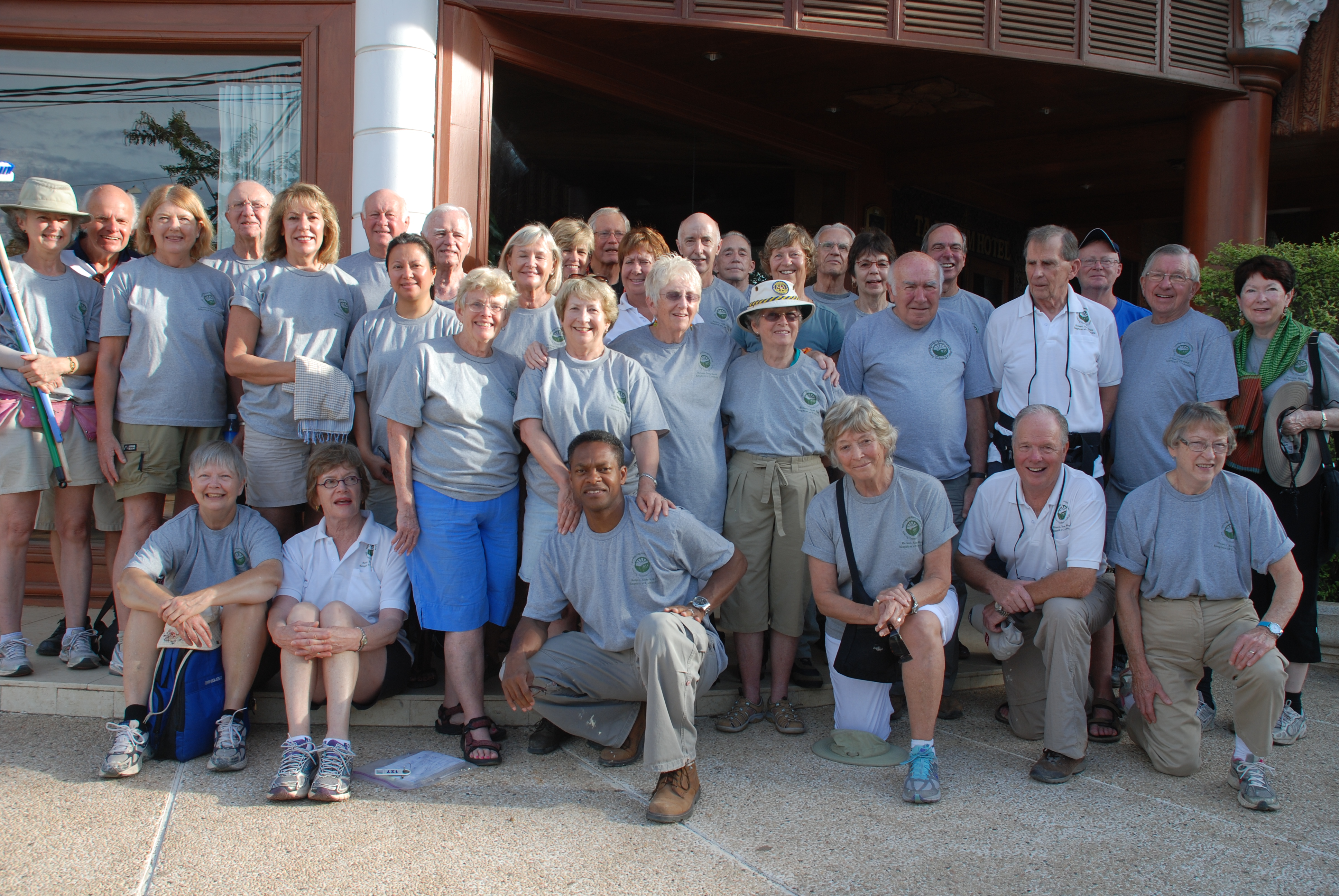
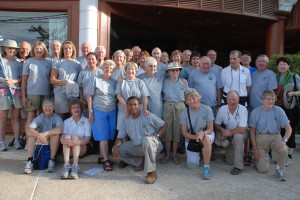
On the final Tuesday, we visited most of the sites we worked on. Not everyone had seen all the sights so it was a good reminder of what had been done by the 33 of us who came on the trip.
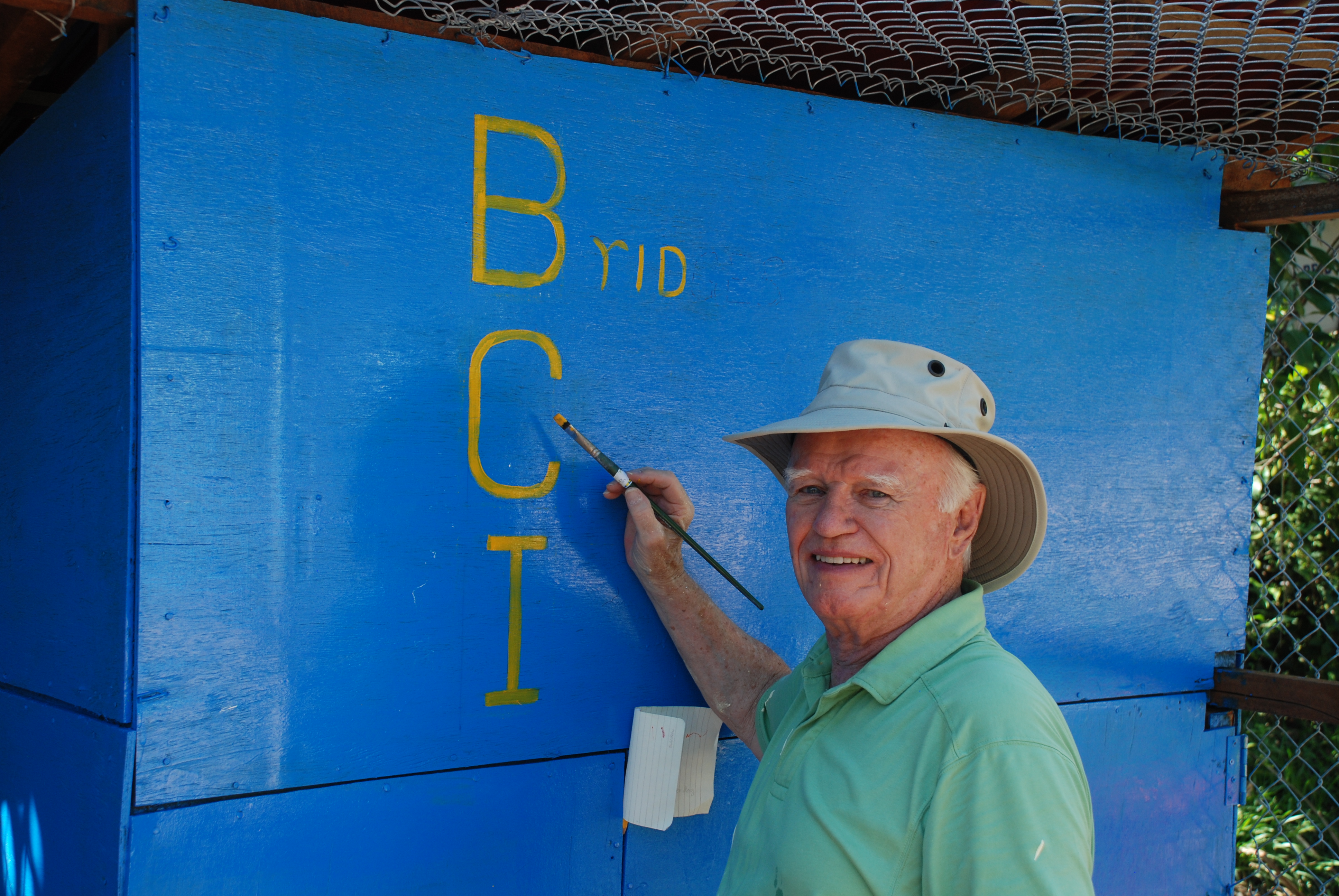
In summary, BCI looks great, particularly now that the floor is in and the fence built. BCI would not exist today had participants on the 2011 trip not stepped forward to keep it alive. Seeing the complete buildings and the 32 children who live there brought smiles to many and tears to others including Sita and Mum.
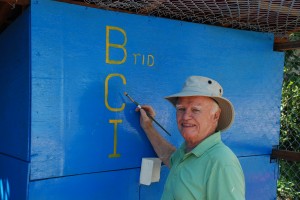
Jack at the chicken coop
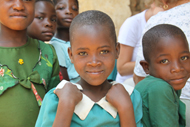
Mr. Togh’s VDCA School in Siem Reap will have better rooms and roofs that do not leak and a new play area thanks to our work and financial support.
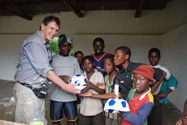
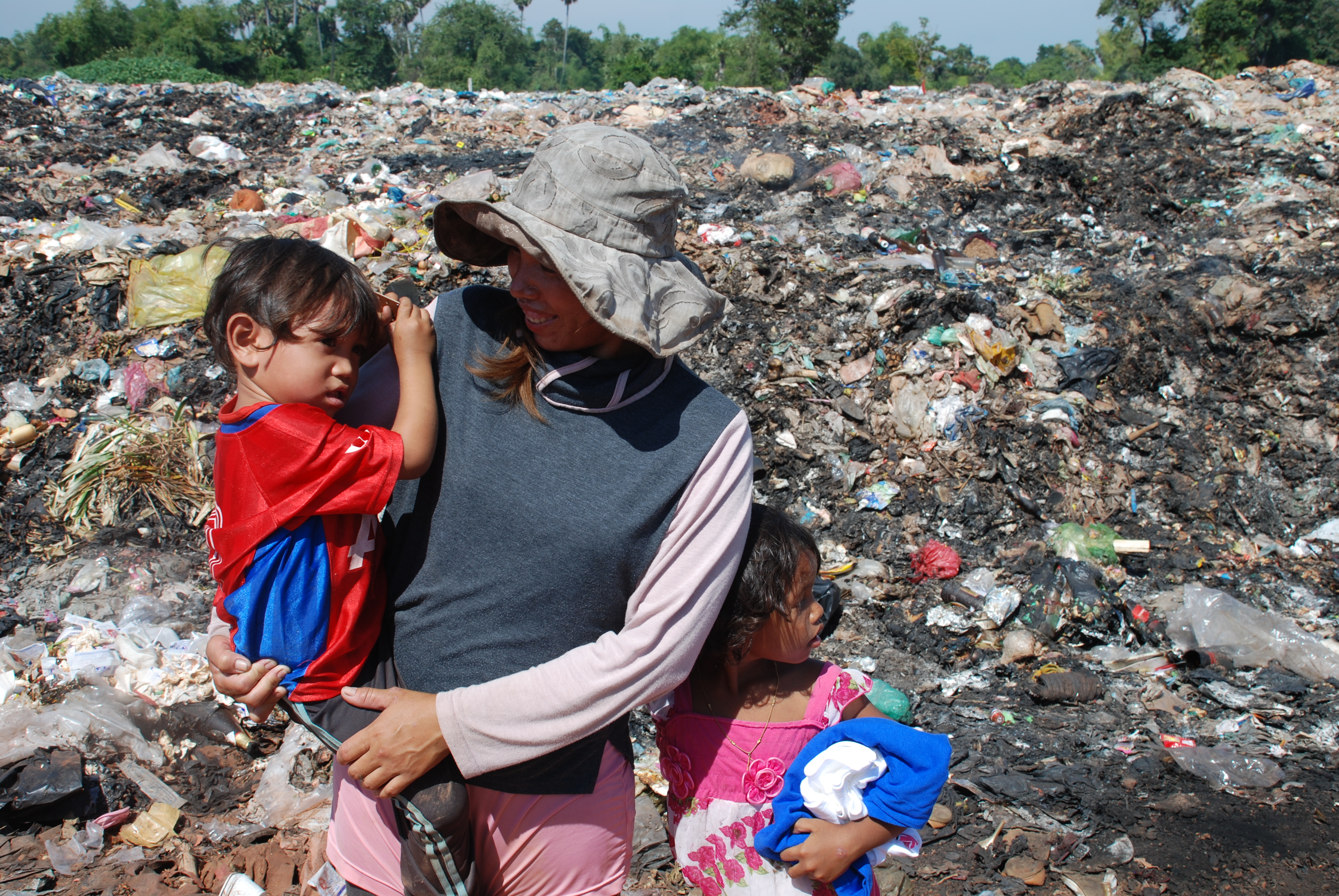
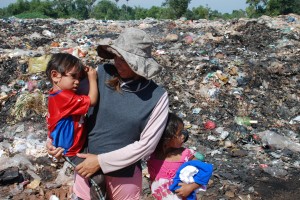
We delivered clothes, food, first aid kits and other things to the people living in the dump. They came to the school close by to receive it. Seeing these people living at the dump was a humbling and upsetting experience. The school and houses built close by are progressing and the work in the new classroom we did at the school looks great. This school is catering to an increasing number of children living at the dump.
We all came back better understanding the impact of the 30 years at war and a much greater understanding of the devastation and fear caused by landmines. Landmines continue to have a huge impact. In fact, their impact is being felt through several generations. There are still 5 million landmines in Cambodia.
Our other activities included the floating villages, visit to the Killing Fields, Rice orphanage, visits to Phnom Penh and Takeo and Angkor Wat and the rice and school supplies we delivered also gave us more insight into Cambodia.
Just watching people on the streets of Siem Reap, you would not know the war had ended only 10 years ago.
But out in the villages and listening and witnessing what is going on in the schools and seeing the poverty, you can tell the hangover of the war while sometimes subtle is still being felt.
We are indeed fortunate being able to participate and work with the Khmer people to help them turn the country around.
Their resilience is very evident and with a little help from groups such as ours makes the post-traumatic stress that 50% of the population suffers should become history.
One such sufferer is Ronnie Yimsut(for those who want to read his book go to www.amazon.com – Facing the Khmer Rouge: A Cambodian Journey). Some people are helped by focusing on good causes. We are proud to be working with Ronnie and others in helping to educate the Khmer people.
Continue reading