Cambodia 2017 Update

July 14, 2017

Cambodia – Response Requested


Hello everyone

It has been some time since you have heard from me re: Cambodia, however, a few have been kept up to speed on the happenings since our last visit there in 2013.

Our last trip there was, to say the least, difficult as we were not able to work on the school due in part to disputes around ownership. After several years of legal activity, the courts came down 100% for Ronnie. Work was done to ensure the proper governance was in place and the Canadian Landmine Foundation released the monies that were being held. The buildings were completed to the point students could be enrolled.

At the end of 2016, 160 students were enrolled in English, computer and culinary arts. There was not enough money, however, to keep the school open so it was temporarily closed. It has since reopened offering many of the same courses. This was made possible because of a sizeable donation. The school needs about $50,000 US to complete it and about $30,000 US/year for the ongoing operation of the school including the teaching of bicycle and small machine repairs at the Landmine Survivor building. We are working on a campaign to raise this money.

A number of people have expressed an interest in returning to see the fruits of their labour and to help finish off the school. This note is to determine if there is enough interest to merit another sweat equity trip to Cambodia.

The thinking is it would take place late February/early March 2018, the duration approximately 12-14 days and the cost would be approximately $4,500. The work would be light manual work such as painting, some teaching of English, computers and possibly work at the orphanage run by Sitha and Mum, Mr Togh’s school and possibly with the Landmine Museum school.

Excess funds would go towards the operation of the school, the building and some towards a demining partnership between the Cambodian Self Help Mining run by Aki Ra and Bill Morse and the Canadian Landmine Foundation.

Please let us know, ideally before August 10th, if you have an interest and if there are any others you know who could be interested in going. Also, please advise if you have an interest but another date is better.

This school is impressive, will help some of the local Khmer people obtain vocational skills and help Ronnie realize the dream he has been working towards for so long.


Have a good summer.


Cheers,

Chris Snyder,

Rotary Co-ordinator Sweat Equity Projects
 chris@eccgroup.ca


Continue reading

A Wrap Up

Chris Snyder

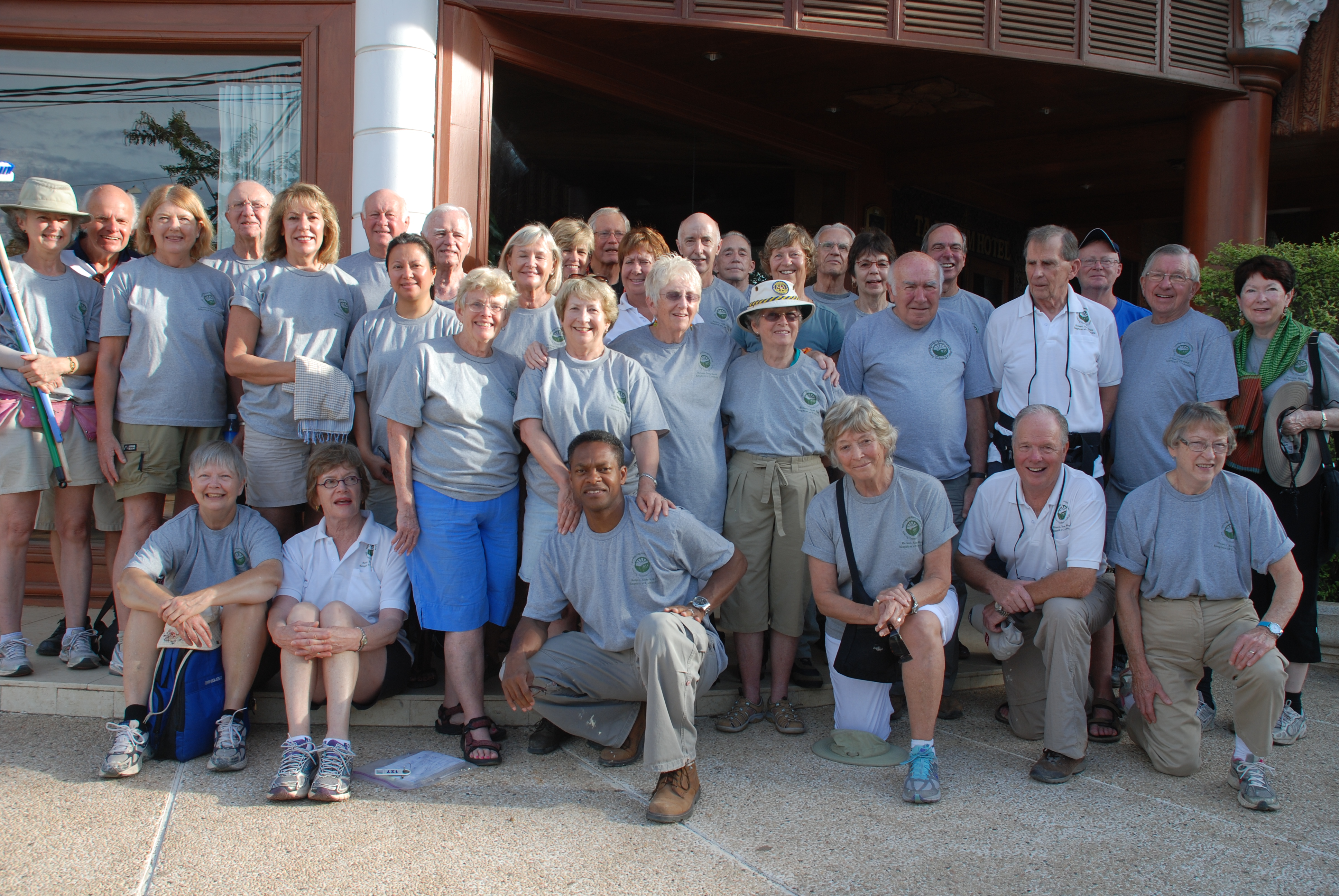
On the final Tuesday, we visited most of the sites we worked on. Not everyone had seen all the sights so it was a good reminder of what had been done by the 33 of us who came on the trip.

cambodia teams

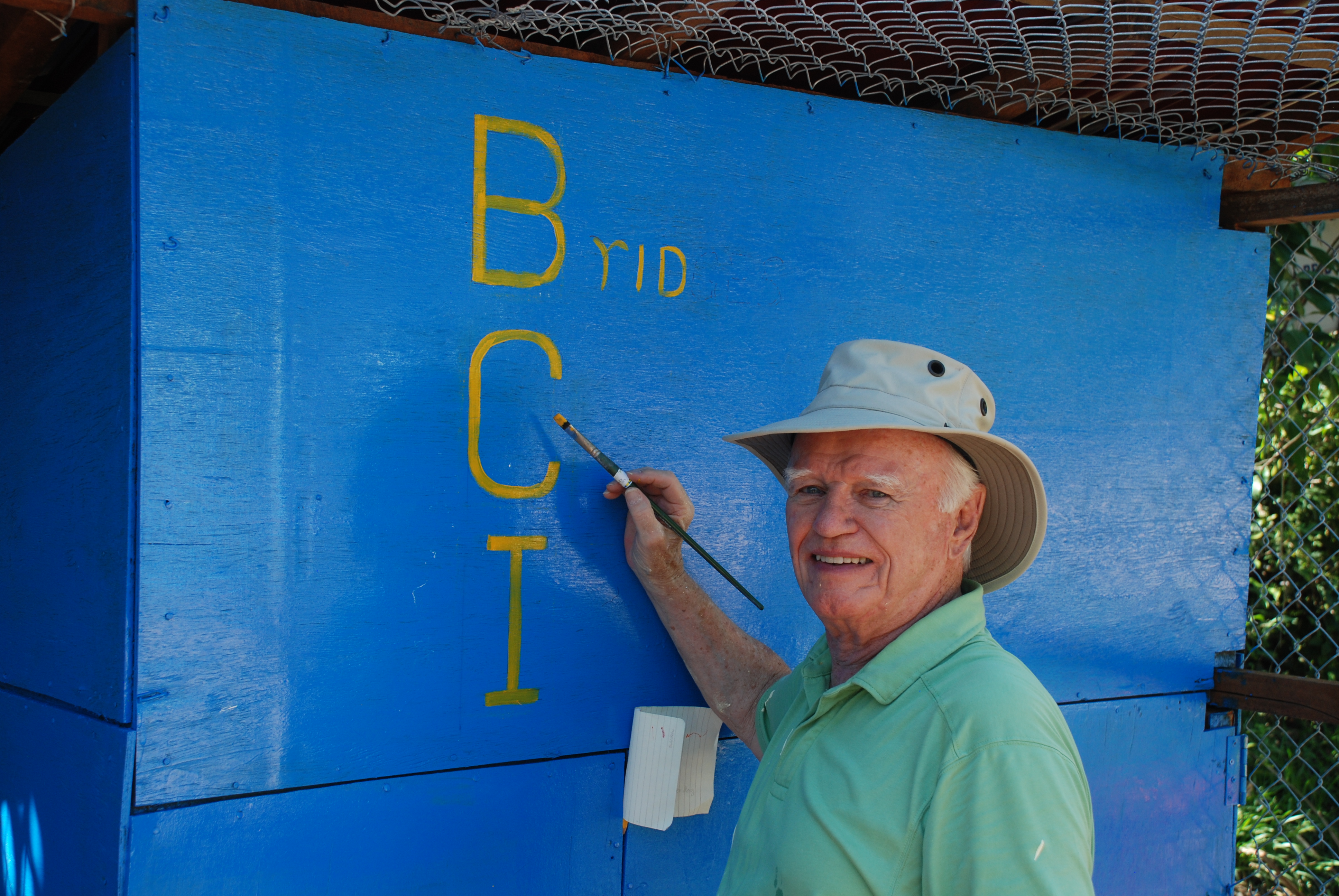
In summary, BCI looks great, particularly now that the floor is in and the fence built. BCI would not exist today had participants on the 2011 trip not stepped forward to keep it alive. Seeing the complete buildings and the 32 children who live there brought smiles to many and tears to others including Sita and Mum.

Jack at the chicken coop

Jack at the chicken coop


Mr. Togh’s VDCA School in Siem Reap will have better rooms and roofs that do not leak and a new play area thanks to our work and financial support.

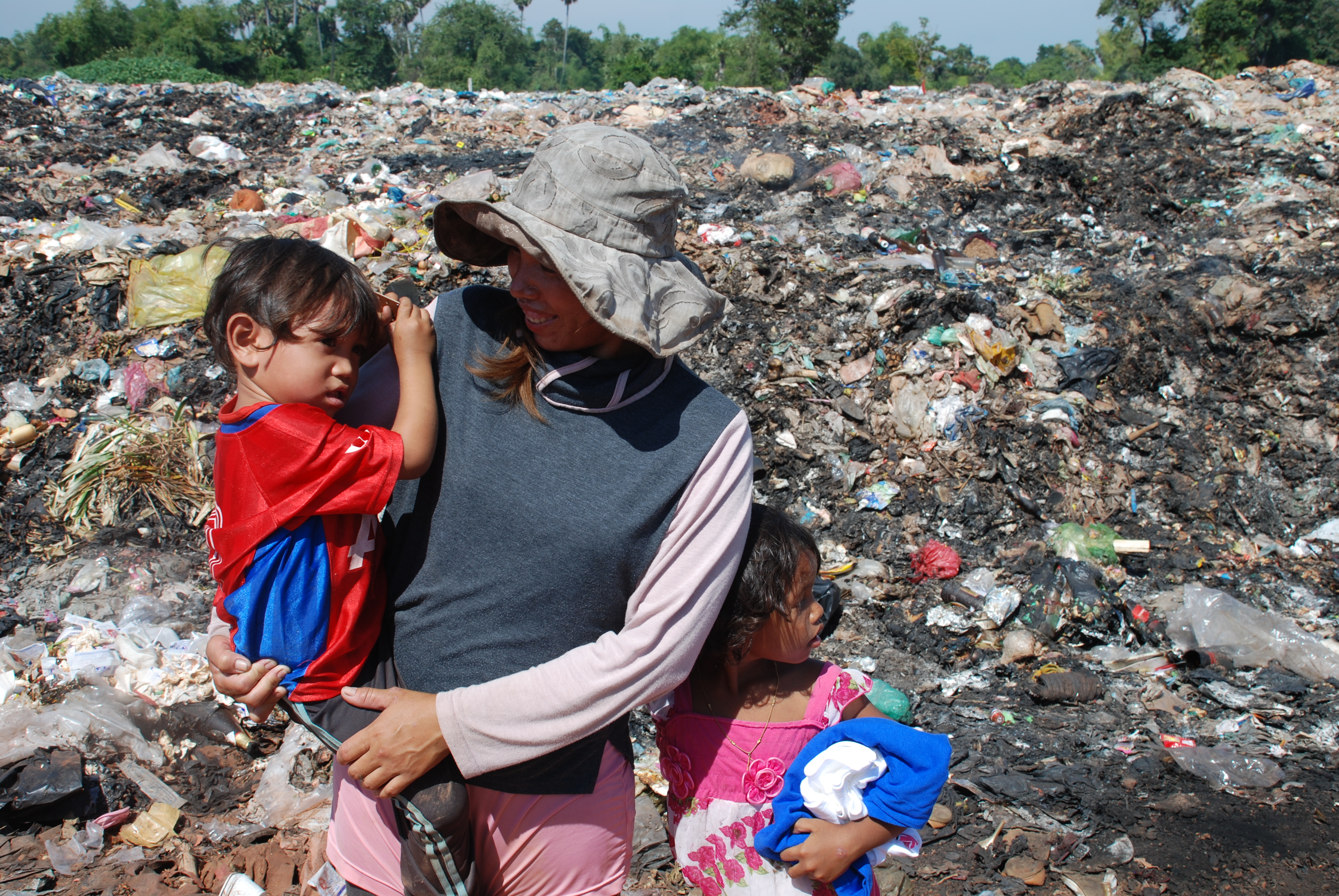
We delivered clothes, food, first aid kits and other things to the people living in the dump. They came to the school close by to receive it. Seeing these people living at the dump was a humbling and upsetting experience. The school and houses built close by are progressing and the work in the new classroom we did at the school looks great. This school is catering to an increasing number of children living at the dump.

The dump

We all came back better understanding the impact of the 30 years at war and a much greater understanding of the devastation and fear caused by landmines. Landmines continue to have a huge impact. In fact, their impact is being felt through several generations. There are still 5 million landmines in Cambodia.

Our other activities included the floating villages, visit to the Killing Fields, Rice orphanage, visits to Phnom Penh and Takeo and Angkor Wat and the rice and school supplies we delivered also gave us more insight into Cambodia.

Just watching people on the streets of Siem Reap, you would not know the war had ended only 10 years ago.

But out in the villages and listening and witnessing what is going on in the schools and seeing the poverty, you can tell the hangover of the war while sometimes subtle is still being felt.

We are indeed fortunate being able to participate and work with the Khmer people to help them turn the country around.

Their resilience is very evident and with a little help from groups such as ours makes the post-traumatic stress that 50% of the population suffers should become history.

One such sufferer is Ronnie Yimsut(for those who want to read his book go to www.amazon.com – Facing the Khmer Rouge: A Cambodian Journey). Some people are helped by focusing on good causes. We are proud to be working with Ronnie and others in helping to educate the Khmer people.

Continue reading

Reflections on Phnom Penh

Maureen Bird

On our last weekend, the 10 “newbies” to the Cambodian Sweat Equity flew to the capital of Cambodia. The ride from the airport was crazy as mentioned in an earlier blog. Motorbikes everywhere but fortunately there was a barrier down the middle of the main road into the city.

Saturday we visited the King’s Palace compound along the river with beautifully decorated buildings and viewing areas. We also saw the national museum which was good with some amazing treasures but the museum in Siem Reap is even more outstanding – certainly worth the visit. And of course we went to the main market. It is a little more roomy than the very cramped one in Siem Reap and had a more interesting variety. As befits a capital city there were wide boulevards and parklands.

Sunday was more sombre. Between 1975 and 1979 the Khmer Rouge brutally murdered or starved to death 2.1 million people, leaving the country with almost no educated citizens. There were about 300 “killing fields” around the country and Choeng Ek on the outskirts of Phnom Penh was one of the largest, with over 17,000 recorded killings. Over 9,000 bodies have been excavated with the bones examined by anthropologists, categorized, blessed by Buddhist monks and stored for display in a large Stupa on site. This was done with dignity and care and was truly moving. A Buddhist group was there that morning and the prayers they were offering were comforting in such a chilling place.

From there we returned to the city and the Toul Sieng Genocide Museum. This site had been a school but with teachers the first to die and the city emptied into the countryside, the school was perversely converted to a jail. Here prisoners were photographed, shackled and tortured for confessions before being trucked out to Choeng Ek for the “final solution”, being beaten to death because bullets were scarce.

We have been there, we saw, we learned but there is a reason only the newbies go.

Continue reading