African Safari Adventure Time!

Frances Hoffman

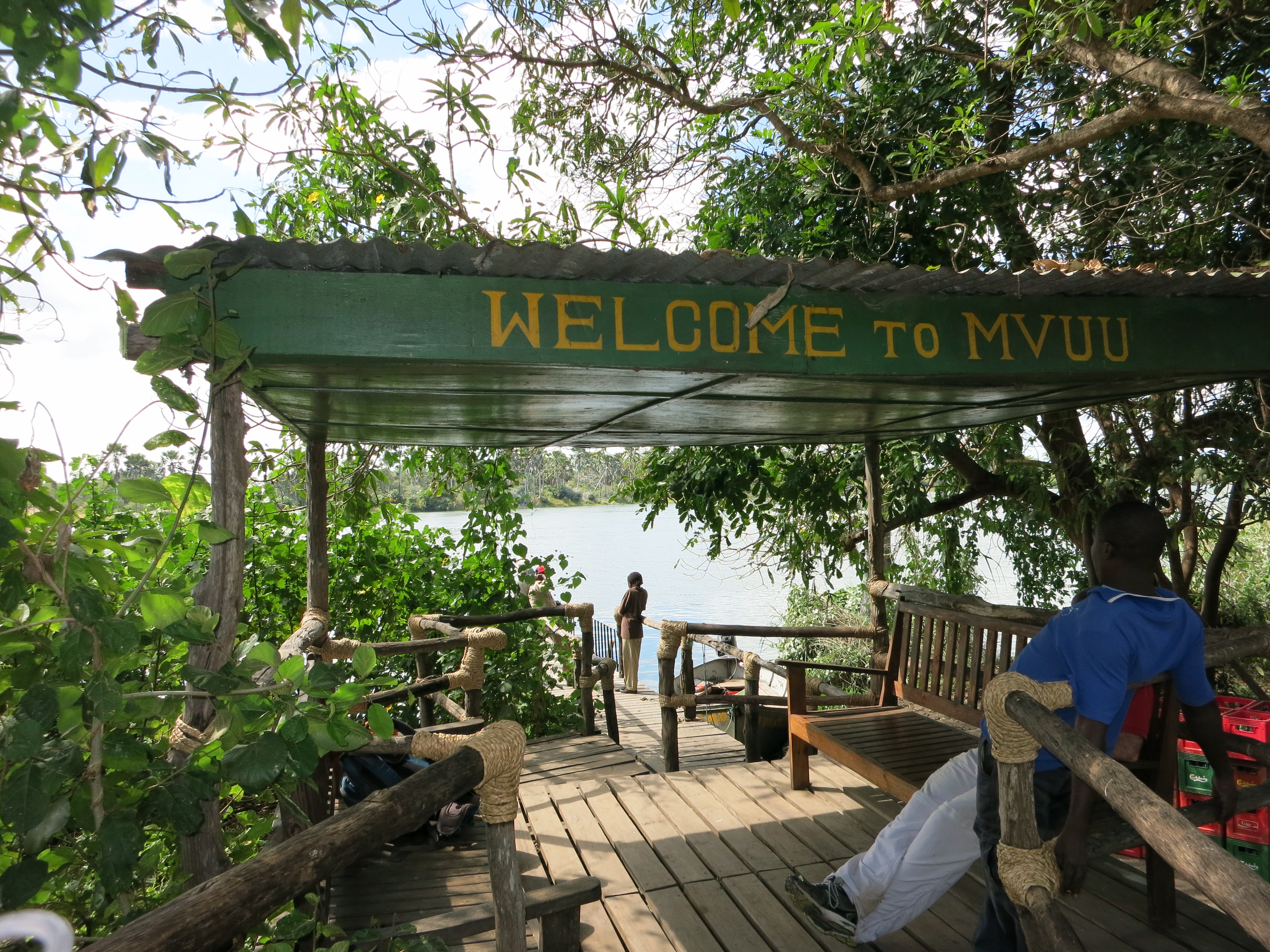
It was an early morning departure from Annie’s Lodge for a two and a half hour drive—the last half hour of which we were on roads passable only with 4 wheel land rovers, unlike any roads you would see in Canada. We arrived at the landing area to board boats, which would then take us to the Mvuu Camp in Liwonde National Park (Mvuu being the Chichengan word for Hippopotamus). This, in the opinion of your humble blogger and that of the Malawi Travel Tourism book, is the most picturesque and popular of all Malawi’s game parks. It is also the most prolific wildlife area in Malawi, especially known for its birds and stargazing.
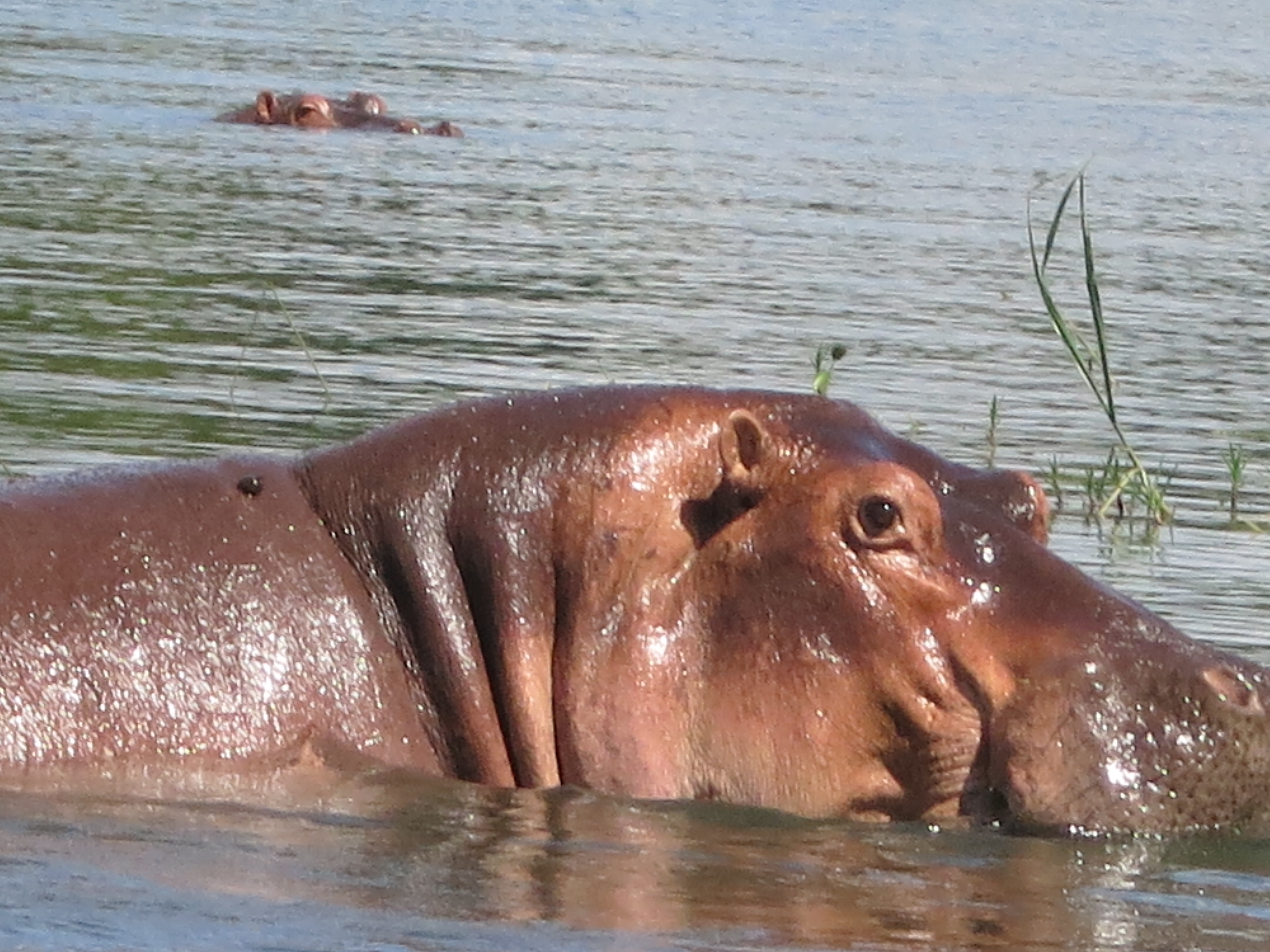
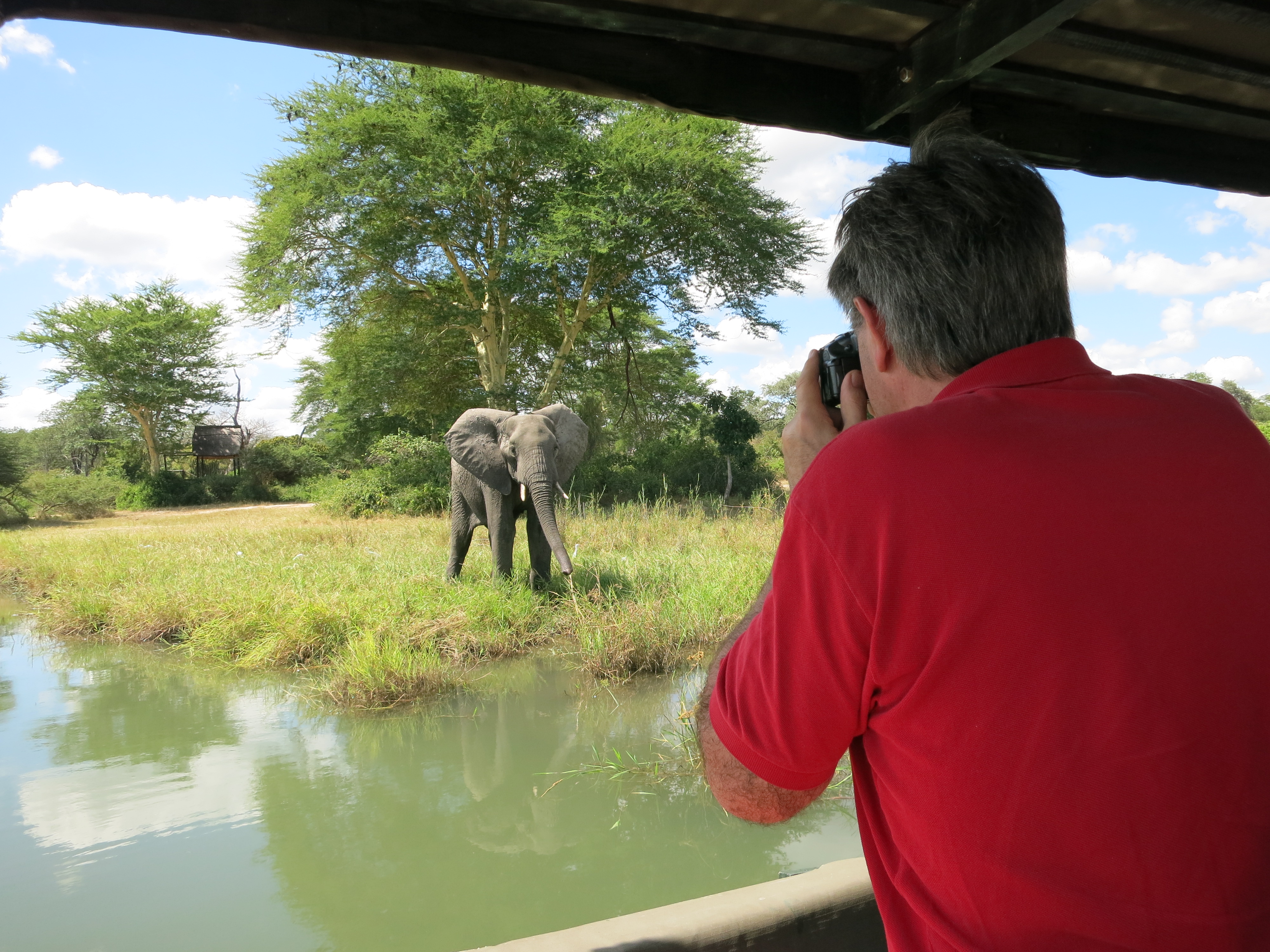
We were on a two-hour boat safari on the Shire River (pronounced She-ree). We saw OVER 50 HIPPOS, several crocodiles, and a couple elephants. The African sun beat down on us; it is much hotter here only 200 feet above sea level than in Zomba. The local guides are well trained in flora, fauna, birds and in handling the boat. The excellent safari guides were generous in time, and were full value for their allotted time levels.
Lunch was delicious!

Then we had free time to get settled in our huts, and explore the grounds—but not too far because of the wildlife around. We were constantly reminded that we were visitors in the animals’ habitat, and so needed to stay within defined areas.
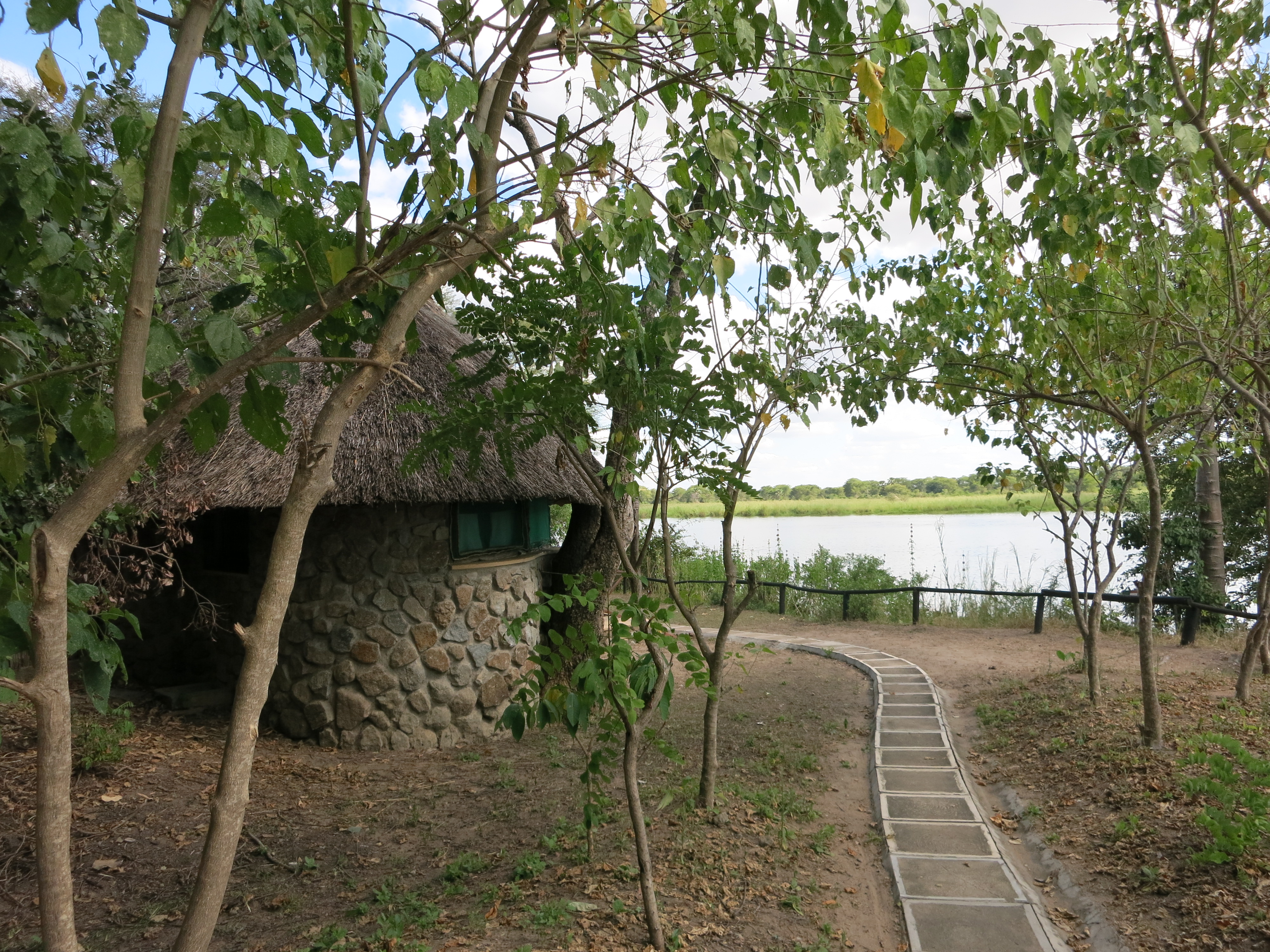
4:00 we left on a game drive, on which we saw a variety of the antelope family (impalas, water bucks, kudus, elands), baboons, warthogs, and mongoose. Birdlife was abundant, as we saw a wide variety from Kingfishers to African Fish Eagles. As the sun was setting, we parked at the rivers edge for “happy hour”. This was followed by a continuation of the game drive in the dark, searching for nocturnal life. We used powerful searchlights, scanning the surroundings for wildlife. The hippos had come inland; we saw a strikingly regal spotted owl; we found porcupines, garrets, otter, and more eagles. We also had an interesting astronomy lesson of the southern hemisphere skies. These do not resemble the constellations we are familiar with at home. Being in the southern hemisphere, the big dipper is upside down here and the Milky Way was vivid.

We returned to the lodge and were escorted to our huts for safety reasons. Subsequently, we were escorted from the lodges to the outdoor dinner area. We enjoyed a performance of dancing and drums around a crackling fire. At the conclusion of the dinner, we were escorted back to our rooms.

We were lulled to sleep with the sounds of nature—crickets and snorting hippos to name a few. The following morning was early, and we woke up at 5:30 for a 6:00 safari walk, which really was a “scat tour”, along with a variety of birds and insects. A second guide with a rifle accompanied the group.

We returned for breakfast. Soon after, we went on our fourth and final safari, another river tour. Rhonda’s excellent photography skills came into action, and she got the hippo “money shot”. We also were afforded the opportunity to see another set of elephants grazing on the waters edge.
Continue reading

The Ladies of Kachere

Frances Hoffman

There was no blog yesterday; so there will be a healthy one today. There will be no blog tomorrow, either, as we begin the Safari bright and early tomorrow morning.

This was not a same-old-same-old day. We began with monkeys stealing bananas from the banana basket at breakfast. Then headed to the Kachere, the community based organization we visited last Friday—a community center run by local women or grandmothers all affected by Aids, helping in the care of orphans in addition to other sick members of the community.

We witnessed one of their weekly meetings for their newly developed micro bank/microfinance. They begin with a gift of 20 Kwacha each, which equates to approximately 5 cents, pooled together should one of their own fall ill or require assistance. The total collected was 440 Kwacha or 1-dollar Canadian, which may seem small, but is enough to provide some food and drink. After, the ladies sold shares amongst the members. Each member may purchase 5 shares at each meeting, a share being worth 200 Kwacha. The group of ladies saves this money each week, which can later be loaned to the members to use as capital for entrepreneurial activities. The money a member withdraws must be paid back within one month, and the interest rate agreed to by the members is 20%. For an environment where it is challenging for an individual to save enough, the strength of community shines through.

What was interesting was the box these women kept the money in; there were three locks with three different keys held by three different ladies and another lady who took the box home. Each woman also held a “pass book”, which marked all of the shares purchased by each member. It is completely transparent how much each woman invests, who borrows how much money, for what reason the money is being borrowed, and whether the money is paid back on time. At the end of 9 months, all profits are paid out based on the number of shares owned by each woman.

Next, the Rotarians split into two groups. Half the group walked with the women of Kachere to visit families in the nearby community who are in need, the other half took the bus to homes too far for us to walk, but nothing for the Malawians. We visited 6 villages, including a number of homes of the grandmothers of Kachere. The homes ranged from a small structure with a thatch roof shared with the animals to larger homes with a garden. We walked through fields of mais, kasava, sugar cane, sweet potato, beans, and groundnuts. Though it has been said many a time before, the countryside is astonishingly beautiful. It is also a maze of pathways. We would have been lost with out our guides. I was impressed with the physical capabilities of the elderly here. The ladies were all upwards of 60 and walk the 5km trail several times a day with no problem. There was also an 83-year-old man that was working hard on his farmland when we arrived at his home.

Continue reading

May Day

I woke up a little early this morning, and was sitting reading Stephen Carr’s “Surprised by Laughter” (he gave a wonderful talk on his 60 years of experience working on food issues in Africa) when Shirley came up to me and said that Alexander, the carpenter, is here and wants to speak with you. He was distraught as his sister, age 28, had just passed away from Meningitis, leaving her husband and two small children. He had no money, but being the first-born had the main responsibility of providing a coffin; in addition, he had to travel to Blantyre, some hour and a half away. I called Paul and discovered his employer and the system often provides help for families in this situation. The news of the staff was upsetting to all of us, but every one to a person will assist in whatever way we can.

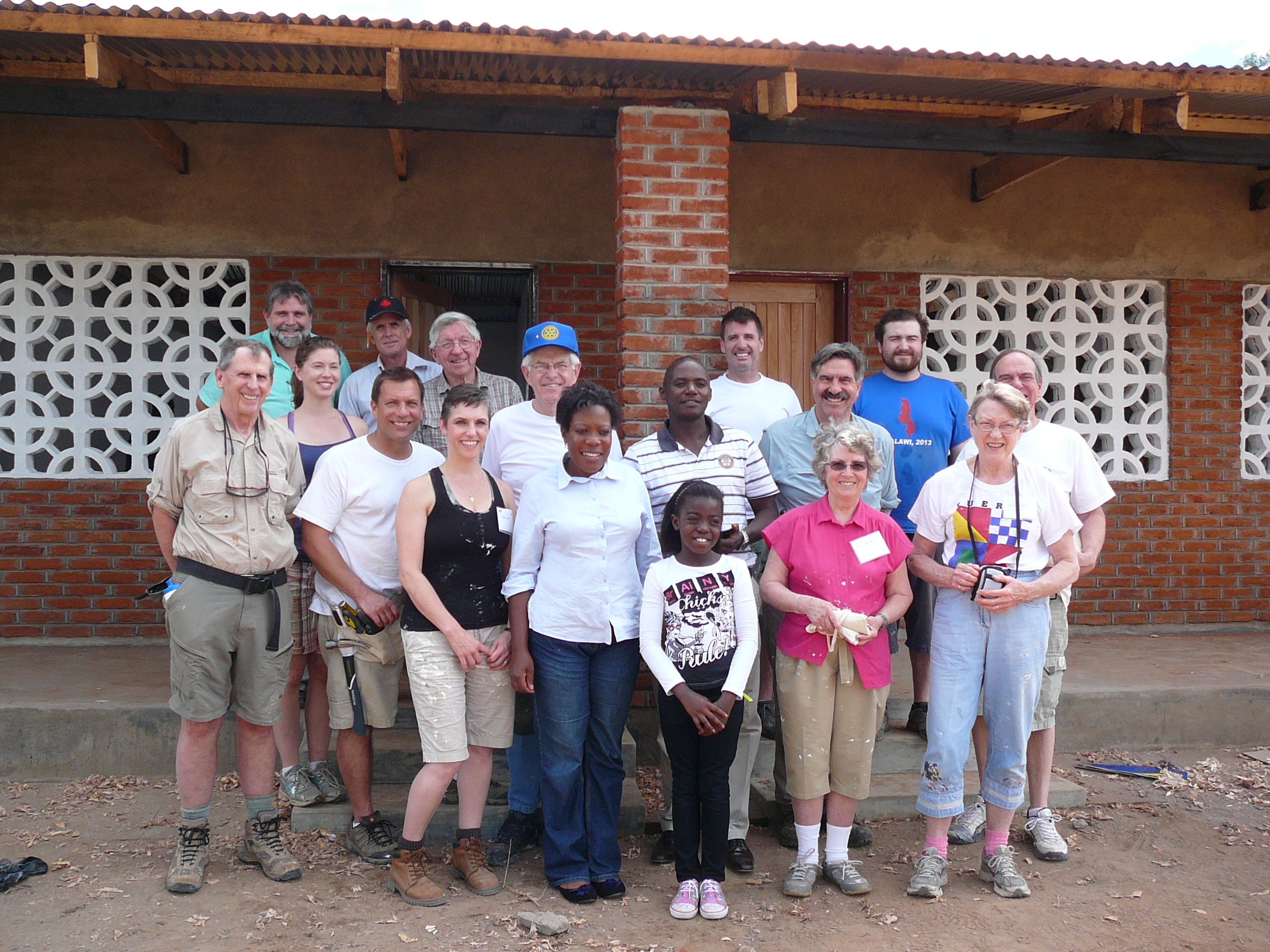
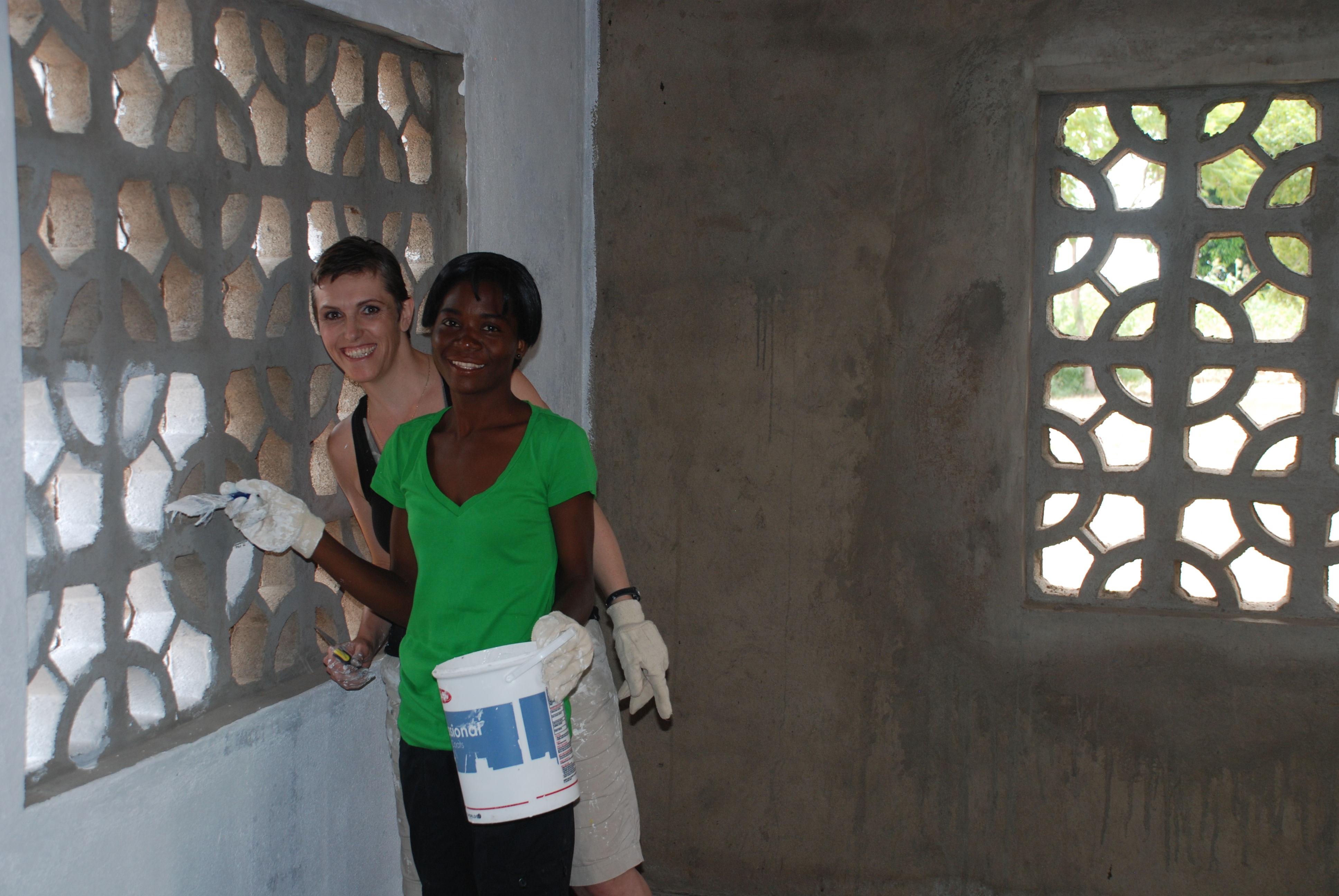
Today was May the First and a holiday in Malawi. The school was closed, but we worked, and we worked hard. The painters, led by Captain Brian Westlake, are doing a fantastic job, and all three rooms have been virtually painted at least once. The painting takes a bit longer, as the painting is much thicker than in past years. Rhonda, Shirley, and Doreen were our window painters—Julie, you’ll understand. Al, Jeff and Brian Westlake developed a real system and Frances and Michael helped them. Stella, Standard 1 teacher, and Ellen, the school inspector who rides school to school on her motorcycle also helped them, though they were off that day. Michael finished the window and the room is now decorated inside by some animal paintings by Frances. She and Rhonda also finished off the Standard 1 room so that tomorrow some 100 standard 1 children can put their hand in a paint pot and then put their handprint on the wall, representing their hands as leaves on the tree.

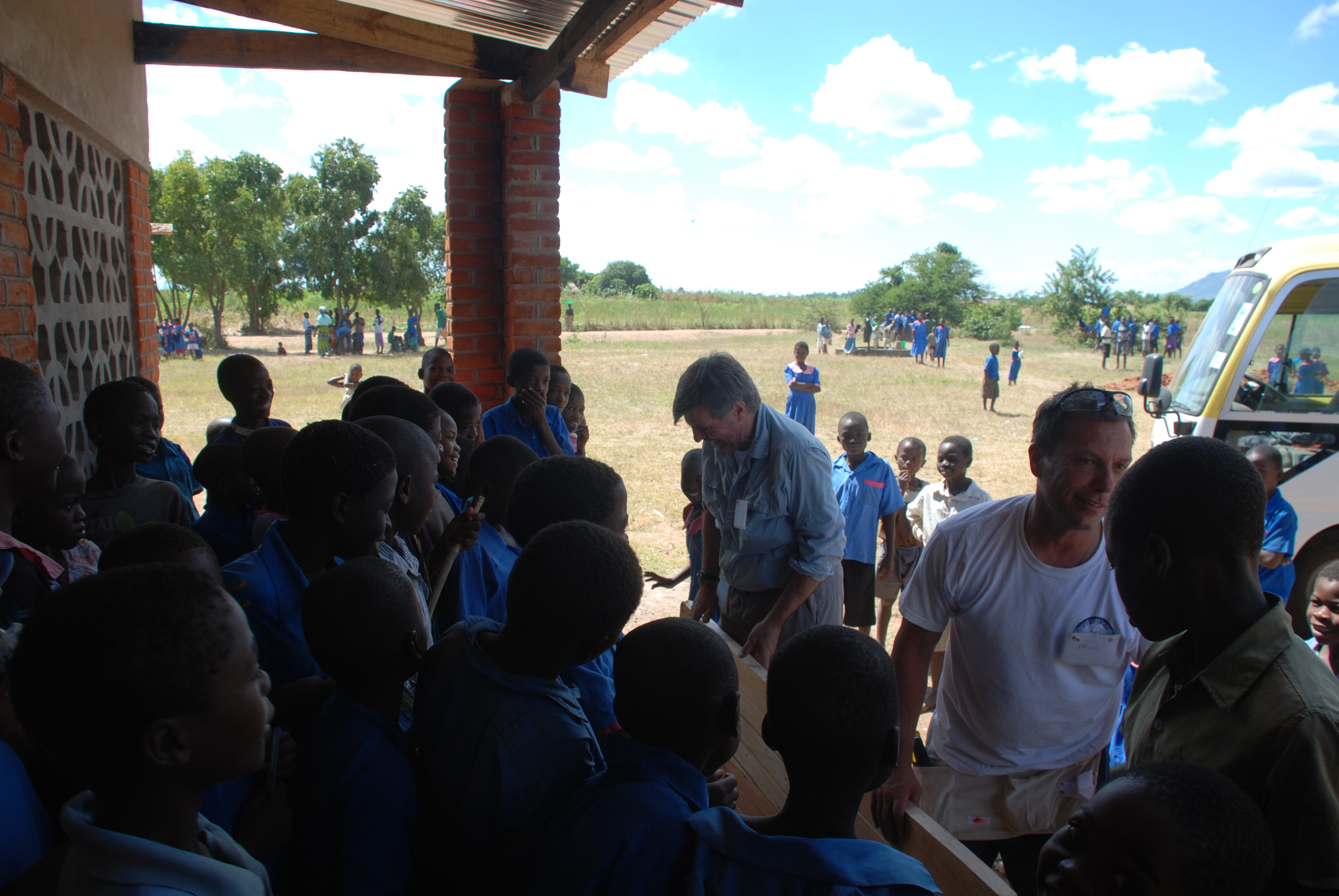
Brian and Paul, two very skilled carpenters, now have most of the doors hung. This was an amazing accomplishment considering the warped wood and uneven doorframes.

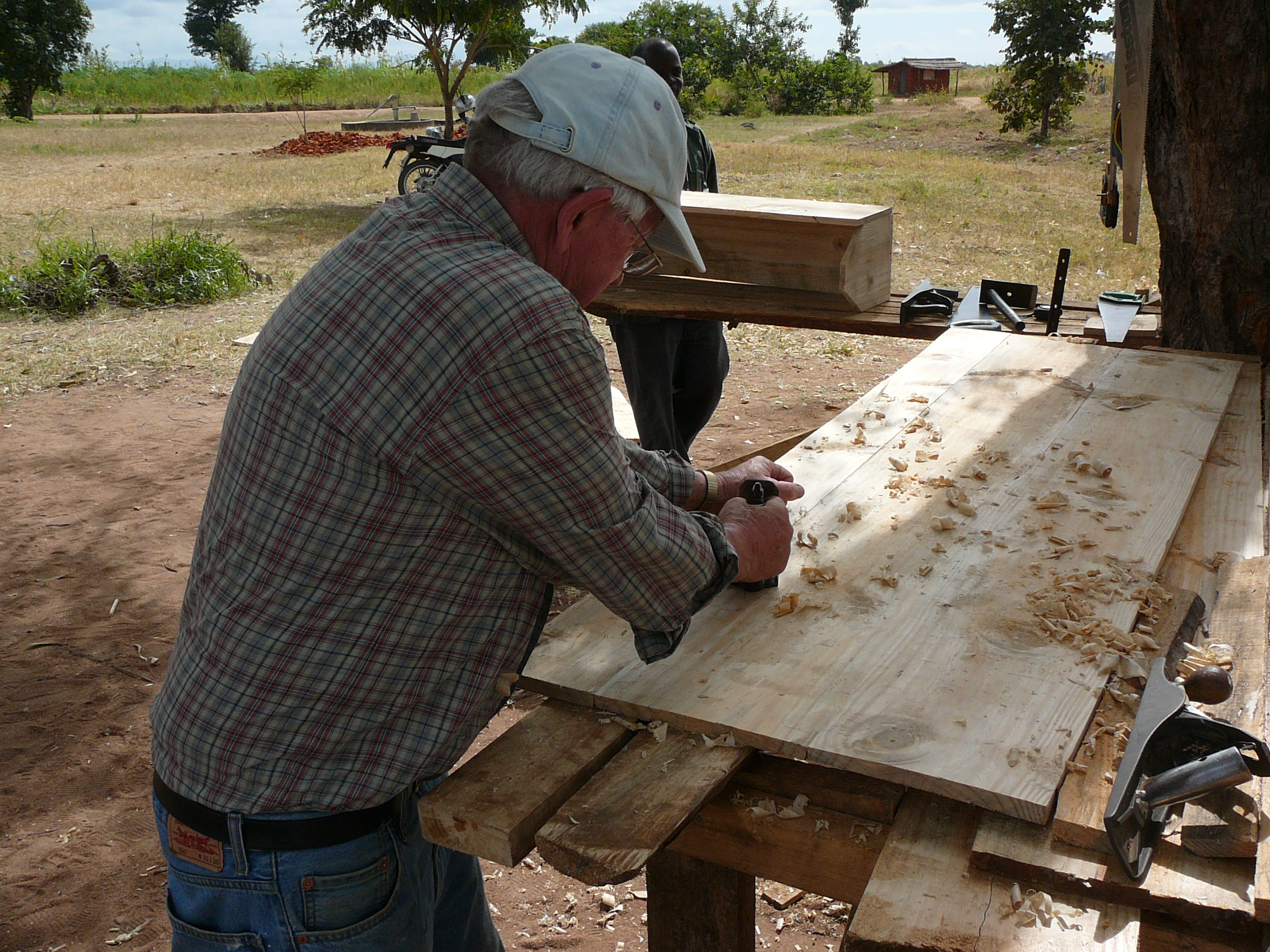
Tom and Chris built some teachers’ desks. Carpentry in Malawi is very manual and compounded by many small things that we are not used to doing at home. For example, the wood is wet, warped and every board must be planed and sanded. To join the boards together, the head is knocked off a nail, thus creating two points. These two points are then pounded into separate boards and glued and clamped together. We learned the Malawi way, which, to us, is backwards. The teachers will now all have desks. At the present time, only the headmaster has a desk and a workstation.

Andrew, a man of many talents and a mix of activities, found us some scrub brushes even though the markets were closed. We added this to some omo, and scrubbed the walls to clean the dirt put on by the children’s hands over the past year.

At lunch, Paul brought the president of the Limbe club, Fanwell Nkhono and his family. We have enjoyed a marvelous relationship with the Limbe club over the last 6 years.


We were able to sort the many things we have brought, which will be given mainly to several schools, Dignitas, and Kutchere. In spite of the many little obstacles and frustrations, not unsimilar to what Malawians go through every day, we finished the day with lots of laughter. We were not surprised.

– Chris Snyder

Continue reading