Teen Time
By Abi Reid
Apparently in Malawi you still have to wake up early, if not even earlier, on the weekends. Complaining about getting up early you can perhaps tell, I am the lone teenager on the team; although if you were here you could have easily thought it was team member Norma complaining about our early call times. That is all I will say about myself or anyone else on the team, as I am sure that most of you reading this would rather hear about Malawi itself, along with its unique people.
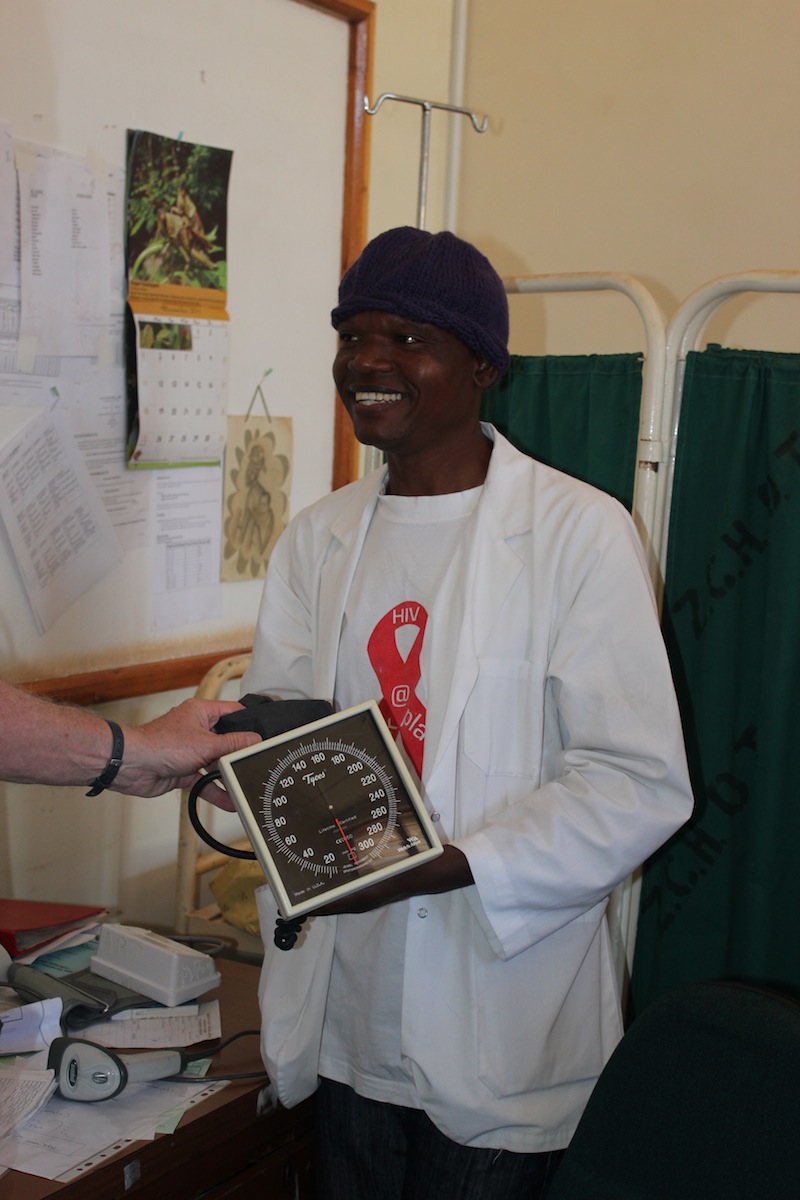
The major stop on today’s schedule is an HIV/AIDS clinic at the Central Zomba Hospital, where, as it is Saturday, the Tisungane Teen Clinic is taking place. We were met by Vanessa and Teferi from Dignitas, and Edson who explained the clinic’s intent to us.
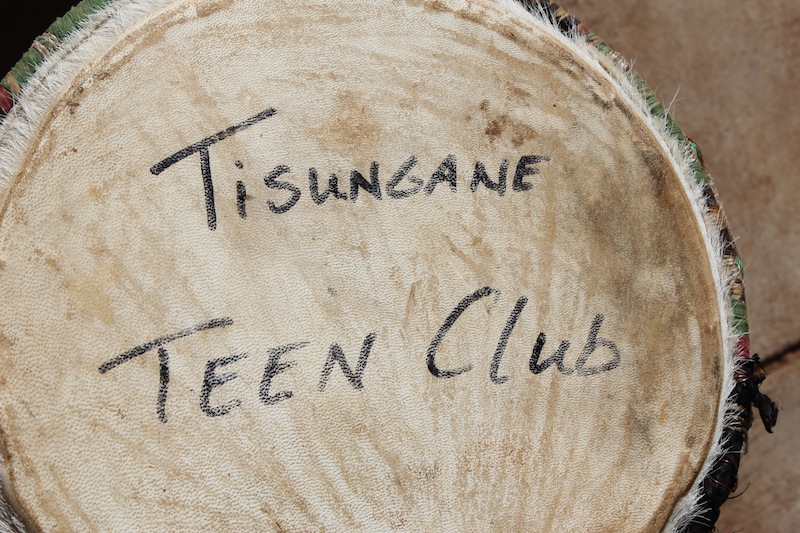
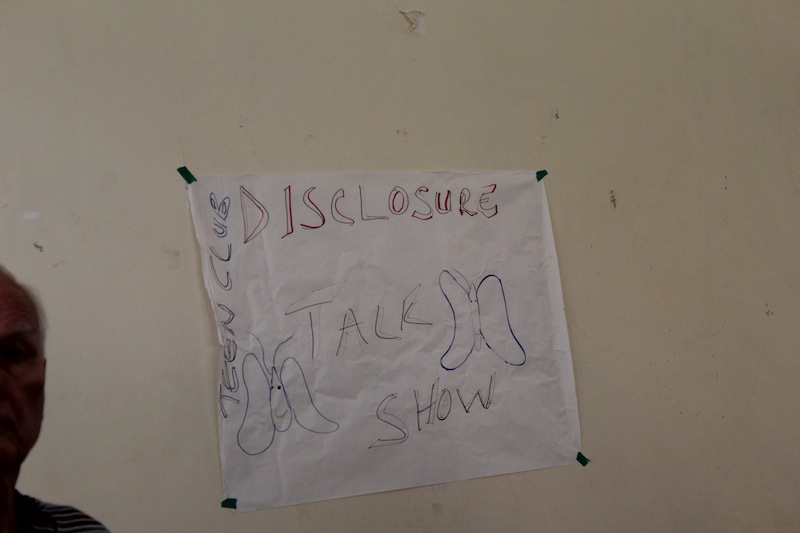
Around 80 HIV+ children and teens between the ages of 12 and 19 -although there were the occasional younger exceptions – were in attendance at the Clinic, which is not only a place to get weighed in and receive their needed medications, but also a safe environment to learn from the provided mentors and peers, as well as an opportunity to be open and disclose their own statuses. “Disclosure” was the focus of the day as it was the point of discussion amongst the large group. They talked about disclosure using a talk show format hosted by the “experts” (older mentors in the group in their late teens) that we were lucky enough to watch. The experts along with a few members of the audience discussed the pros and cons of disclosing their status, which was cut into segments much like television using live commercial breaks hosted by a younger boy who we could not understand, but received many laughs and a round of applause by his peers, so we will just assume that he is the group’s comedian.
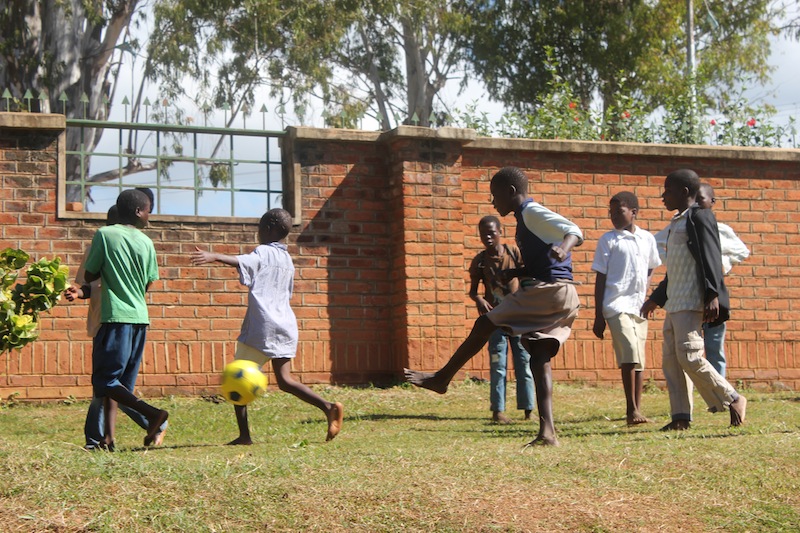
Prior to their talk show, we were welcomed with a song showing the comparisons between a war fought in a battlefield and the war they are currently fighting in their bodies against the HIV virus. Shortly after, the teenagers were given some free time, which they used to meet with clinic counselors and then to enjoy a few pieces of sporting equipment we brought, such as soccer balls, Frisbees and skipping ropes. A soccer game broke out immediately behind their part of the hospital and lasted for the better part of an hour, while the other teens played Frisbee with some members of the Rotary team and showed off their jump rope skills, which I don’t think any of us could even come close to matching.
Following a couple speeches by the main mentor Natasha and a boy named Jack, where they told us -in very good English might I add- the basics of their stories. How they came to be diagnosed with HIV, when they started to understand what being HIV+ truly meant, how they’ve adapted to it and who they have and haven’t told were some of what they spoke about, but most importantly, they spoke about what they are planning to do in the future, because in reality, their opportunities are larger than the disease and as long as they continue to take their meds and lead healthy lives.
I know I said I wouldn’t write much about myself or the group, but as I am writing this a thought I’ve had all day sort of took hold. In more developed countries, North America especially, teenagers will judge and discriminate based on the smallest of things; what we wear, the music we listen to, even down to the way we put our hair back and because of this, teenagers at home are forced to lie and conform to try and fit in, but that is easier said than done depending on circumstance. Halfway around the world, the story is the same. The teenagers at Tisungane are dealing with situations many adults couldn’t even imagine. They are essentially forced to choose between disclosing this part of their life to the people around them and accepting that the reactions may not always be what they want or hiding their situation and having no one to lean on or understand what they are going through. Their diagnosis has held them hostage and they are slowly coming to realize that access to treatments such as ARVs and the counseling and support they receive at the Clinic, will set them free to live long and productive lives. It will be a long road but these teens are part of the movement to remove the stigma and discrimination attached to a positive test result.
We also went to lunch at an Italian restaurant, but I figured that wouldn’t be that interesting considering we have an abundance of those in Canada. It was a nice view though up in the mountains and lush greenery.

After lunch, the team split up to go to the market, return to the lodge or go check emails. We shall come together again for our evening meal and meeting and then begin another day soon enough.
Cheers from the warm heart of Africa!