Ukerewe Island Exploration
We are back in Mwanza after 3 nights on Ukerewe Island. The ferry on Sunday from Mwanza took about 3.5 hours. Our “upgraded seats” were on the upper deck with satellite tv and “airline” seats. We had to buy 3 extra seats for our bags so we could have them nearby. The crossing was smooth and we were met by a large group at the ferry dock. Local Rotarians and the Bishop were both present and within 2 minutes we were loaded into the land crusier and off to the Kondeni Hotel.
Ukerewe is probably the poorest area of Tanzania we have visited. The population of the Island is currently estimated at 450,000 to 500,000 people and growing very quickly. The key businesses are farming and fishing. The farmers grow a variety of crops including cassava, oranges, corn, rice, sorghum and other cash crops. The fishermen focus on catching nile perch for export off the island and smaller fish for local consumption. The government recognizes the need to improve agricultural production and protect the local fisheries. They are currently developing a agricultural demonstration site to improve crops, livestock husbandry, beekeeping and fish farming.
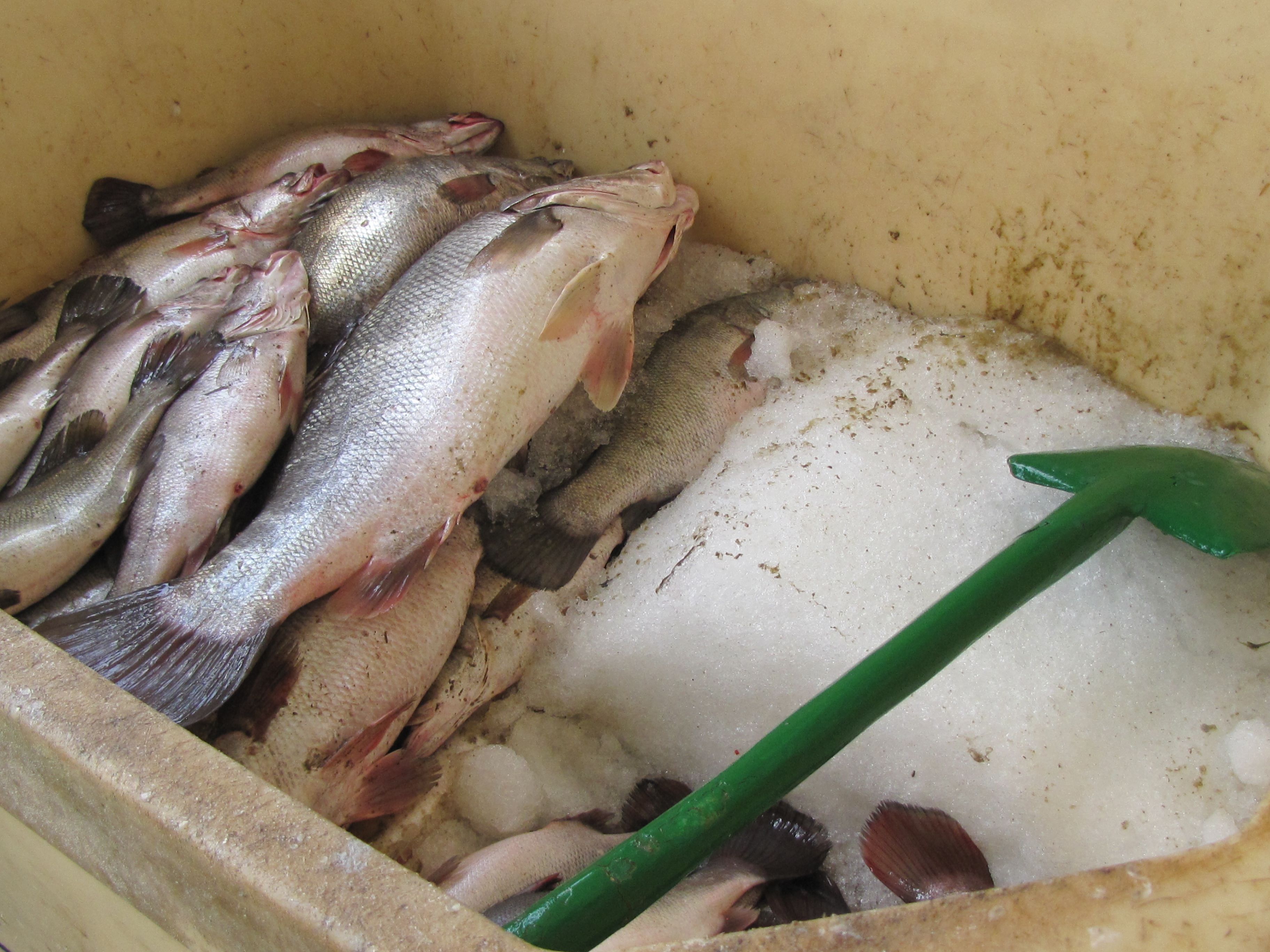
Nile Perch ready for transport
The District of Ukerewe is made up of 38 islands, 2 large island and the rest smaller. Most of the islands now have some people living on them. The isolation of the District is one of its greatest challenges. It is difficult to export goods and most consumable items are very expensive due to the cost of bringing them from the mainland.
Like many parts of Tanzania the people face many challenges in health care, water and sanitation, and education. With the help of local Rotarians we toured the island and we now have a better understanding of the struggle these people face every day.
Health Care
The District has one hospital and 5 health clinics spread out over the islands. The clinics and the dispensaries are the initial contact point for people needing care. The clinics are poorly equipped and lack consistent water and electricity supply. Maternal and infant care is the key focus for these health facilities. Tbe one clinic we visited had 20 births a month. Women with any pregnancy complications are referred to the District Hospital. The hospital was very busy when we visited with a large number of people in all 7 wards. (about 190 beds total). The hospital is also the key care and treatment centre for people with HIV/AIDS. They currently have 35,000 clients receiving care, counselling and drug treatment for HIV/AIDS. The hospital is also the only place on the island where surgeries take place. Currently they have had to cancel all surgeries for the last 3 months because the autoclave sterilizer has failed. The closest location for surgery is now a 4 hour ferry ride away in Mwanza. The other major problem for the hospital is the inconsistency of electricity. Electricity to the island is often interrupted resulting in surgeries completed by flashlights and with little or no water . Currently the hospital is relying on a few solar lights as a back for their surgery and the maternity ward. There are many things that need updating and level of sanitation is very disconcerting.
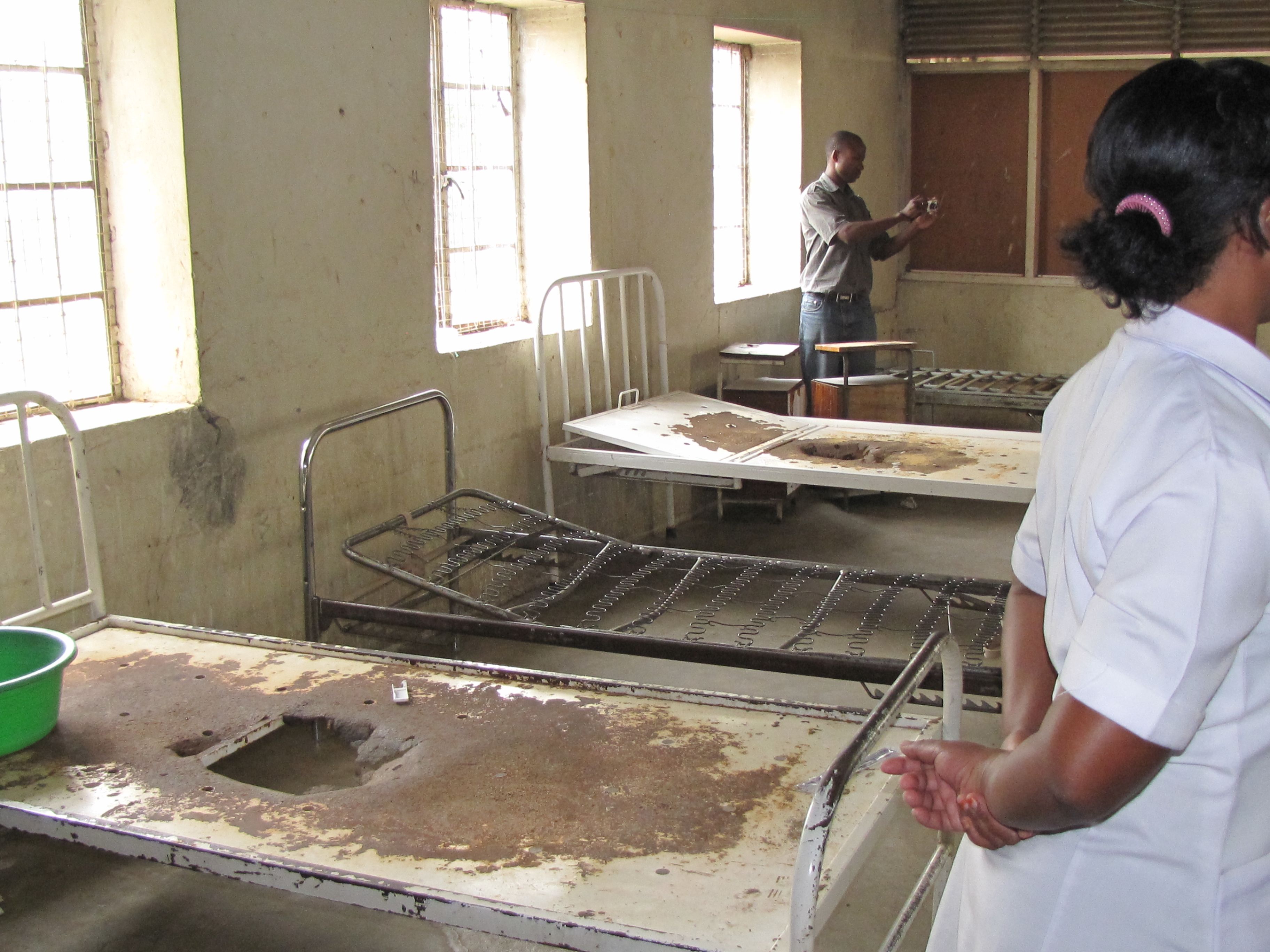
Beds at the Ukerewe Hospital
Education
The island has the basic Tanzanian education systems of primary schools (Standard 1 – 7) and secondary school (Form 1 -4). Form 4 is the equivalent to “O” levels in the British system. The current schools however do not have Form 5 and 6. This means than any student wanting to go to university have to leave the island to complete their high school education. Needless to say, being away form home creates financial and personal hardships for the students. The District government of of Ukerewe has identified 4 schools to expand to include these upper forms. The schools are already understaffed and crowded. The addition of 80 extra students per school(form 5 and 6) in the near future will be overwhelming for the staff and infrastructure (think 12 pit toilets for 800 students). Each headmaster had a list of additions and upgrades they need (additional classrooms, books, new toilets, lab equipment, computers, increased water supply, etc. ) They were very apologetic for having such a long list of needs. The students we talked with were very upbeat and eager to ask us questions about why we were in Tanzania and about our lives in Canada.
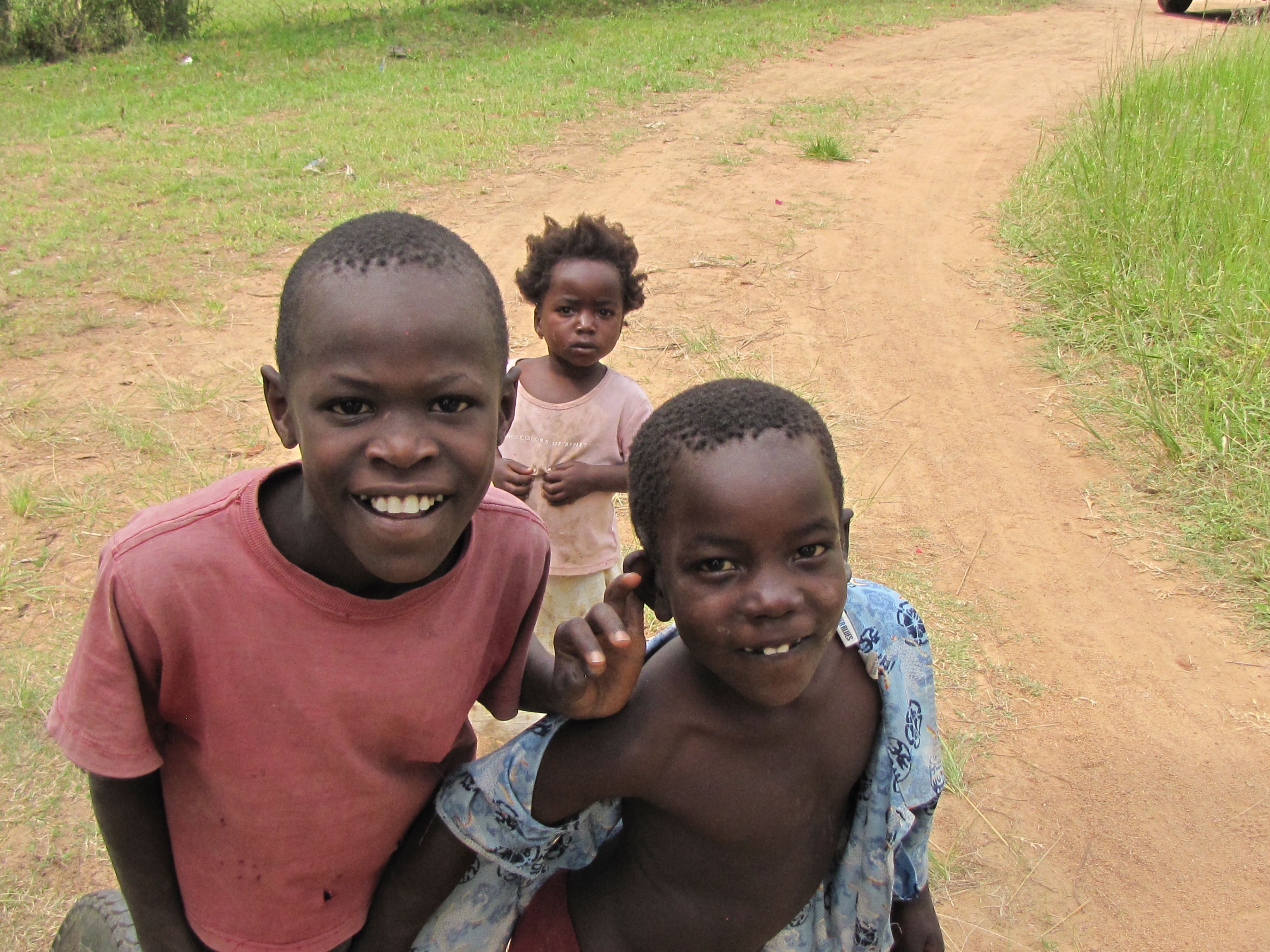
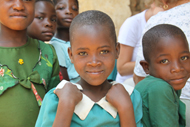
Ukerewe kids
Water and Electricity
The island has an aging infrastructure that is contributing to the hardship of the people. The electricity grid has good coverage over the majority of the island however the overall grid in Tanzania has a huge problems with supplying enough electricity. Three out of the four days on the island we were without electricity. This lack of power means that the pumps running the water system were not functioning, so we were also without running water. The pipes and pumps are old and we could see pipe breakages along the side of the road. The hospital and schools depend on roof-fed cisterns and gravity to supply water when the systems are down. The good thing is that you are never far from the lake and wells and simple irrigation systems are possible. Most wells are hand dug, unlined and uncapped. Definitely a hazard for children and easily contaminated.
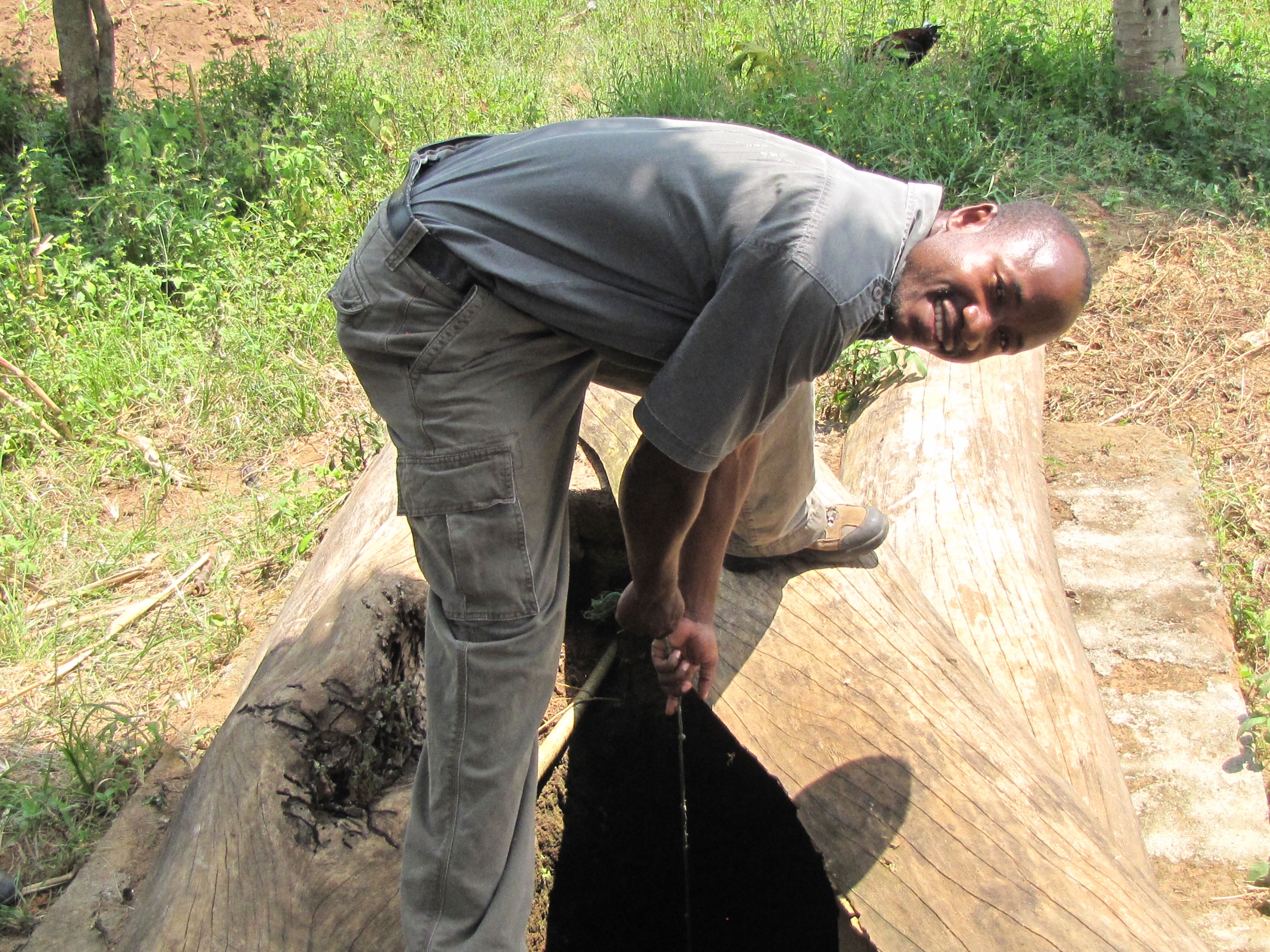
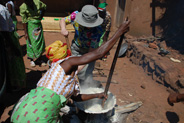
Drawing water from the school well
The Rotary Club of Ukerewe – Nansio
The Rotary Club of Nansio is only 2 years old and currently suffering from some growing pains. The membership has dropped to less than 10 members. The core group however is very dedicated to improving their community and were able to introduce us to many of the key staff in the local government. It was apparent that they know what problems they are facing and have plans for improving their community. The lack of government funding and resources means that most program crawl along waiting for the next budget year. The opportunities for projects are endless.
We are writing this while waiting at the Mwanza International Airport. Only 32 more hours till we get home.
The Team
Roger Hayward, Dave Green, Sue Leach, Bill Wray. Tom and Teresa Behan
I hope you got back safely! It has been great to see the blog.