By David Creighton
Thick fog shrouded Zomba Mountain this morning when we trooped to breakfast before a round of visits to Rotary/Emmanuel International (EI) projects. For the first stop our minibus cruised past our Mbidi School site, students waving puzzledly (“why aren’t they stopping?”), to the village of Kumbewe, where EI’s Thomas Sambiri would present the first workshop (of three) on sanitation. We stopped first at the borehole well, where a series of women and girls pumped their 20 litre buckets (weighing 20 kg each), loaded them onto their heads, and marched off (20 litres is the recommended limit as greater weights can cause long-term damage to the neck). In 2008 150 such wells were financed by Toronto Rotary that contributed $50,000. This Kumbewe well was installed in 1997.
The village sanitation committee consists of five in-charge members plus another ten members-at-large, who take the workshops and disseminate what they learn. After the three-day workshop, EI monitors the committee’s activities about twice a month. In preparation, the Rotarians covered their hands in silver ‘glitter’ that would represent “germs” when they shook hands. And immediately the reception committee and their husbands came to shake all our hands. The two village chiefs made appropriate greetings, followed by rhythmic clapping and Thomas launched his workshop.
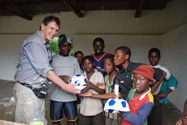
After he and villagers arrived at definitions of hygiene, they discussed its importance—to prevent the spreading of infections—and how germs spread, followed by the various recommended practices to prevent same. Pictorial illustrations accompanied. Thomas demonstrated these techniques, including the two-cup method of drawing drinking water, the “tippy-tap” for washing hands after using the toilet / before preparing food. This simple device is made from a plastic water bottle pierced by a straw. One blocks the straw to fill the bottle, then loosens the top to let water out, simple but ingenious. The women concluded with a song about the items required in an hygienic home: kitchen, toilet, clothes line, etc, la-la-lala, and everyone was treated to sodas and rolls.
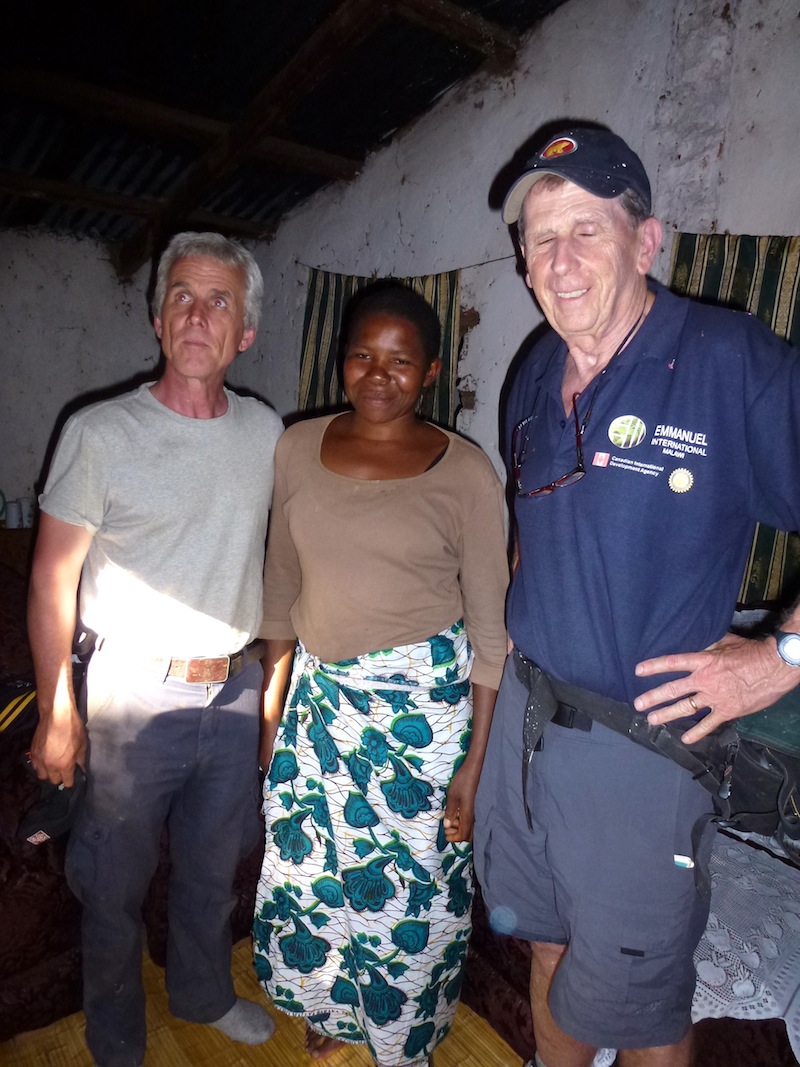
Our next stop was at Mpinda village, a Muslim community that was renovating its borehole well, but as we were running well behind schedule, we did not spend time helping as originally planned. The villagers are rebuilding the well’s apron and removing a concrete washbasin they consider unsanitary—too close to the well. From there we returned to Zomba and lunch at the home of our EI hosts, Paul and Helen Jones. What a lovely hacienda they inhabit!
Our final visit of the day was to the Misangu School, that Rotarians/EI had helped extend and renovate during the 2009 (Brian Edwards and Chris Snyder) and 2010 (Andrew Robertson and Chris) Sweat Equity trips. So a sentimental journey for them and an eye-opener for the rest. As students were preparing to write their national exams, they were home cramming and not at the school today.
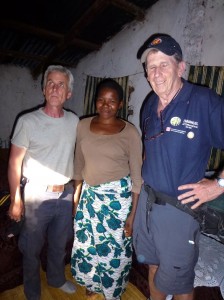
Head Teacher Gaviston Midesa, Standard 8’s Maxwell Chisambi (also sports coach) and juniors teacher, Miss Mesa Raji, provided warm welcomes and talked about the school’s history at length: Presently there are 1,953 students, 13 teachers, and 11 classrooms (versus 1,600 students and 8 teachers in 2009). Attendance statistics alarmed us visitors: there are more girls than boys in the first 6 years but by Standard 8 the boys are double the number of girls, due largely to early marriages. In addition, of the 80 students who pass the leaving exams, only 15 are selected for secondary school, where they face the further obstacles of school fees (MK 12,500 per term, of three terms), long commutes (16 kms by bicycle, for those who have one, or walking if they don’t); school uniforms, text books, etc. about $300 per year in a land where there is little money. Scholarship is not an easy road in Malawi.
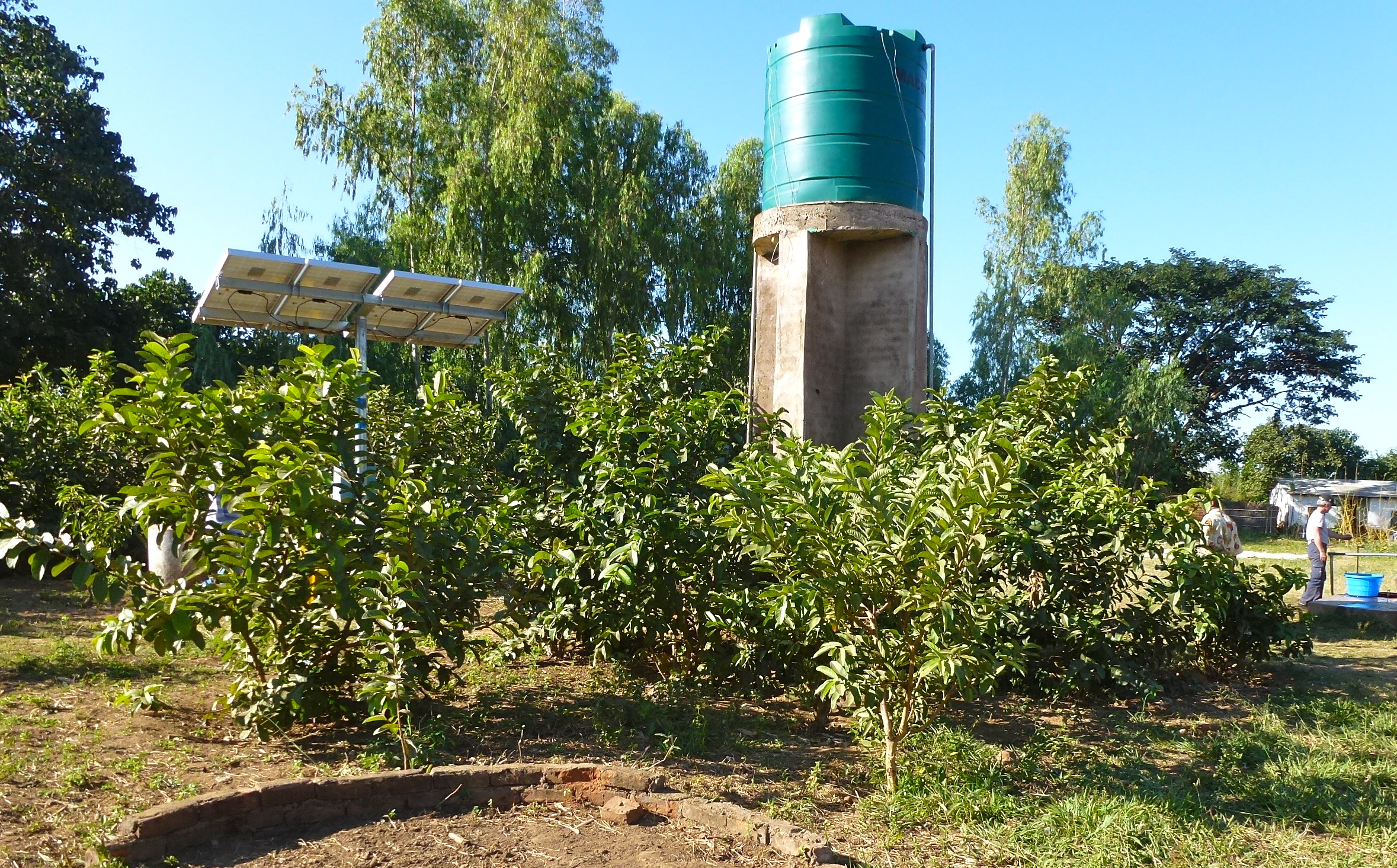
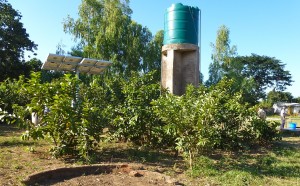
We then toured the solar-powered water tower, surrounded by a recent plantation of guava and mango trees, already 2 metres high in their first year! We were invited in to the homes of several teachers, homes renovated during the 2008 and 09 trips. These simple houses are now surrounded by lush gardens and well stocked with bags of maize and rice. We then inspected the classrooms the Rotarians had completed, sparse and needing some wall washing, but in full service.
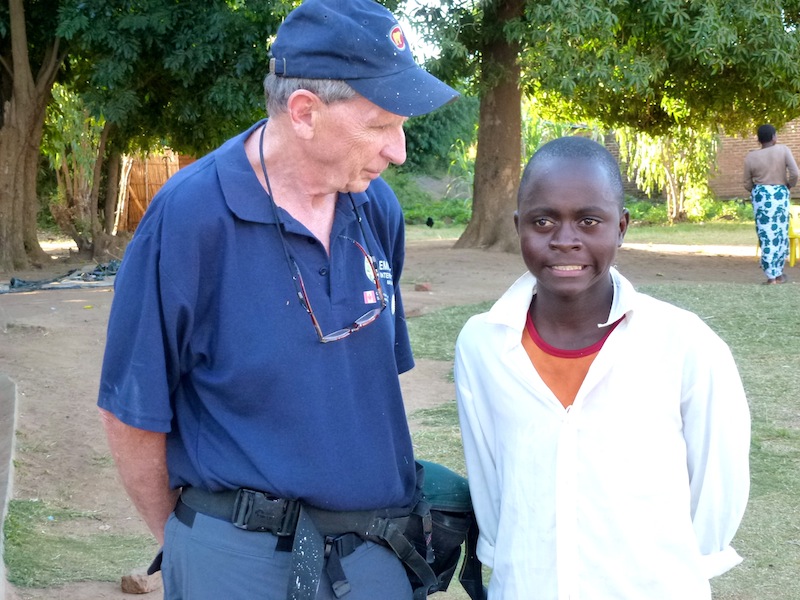
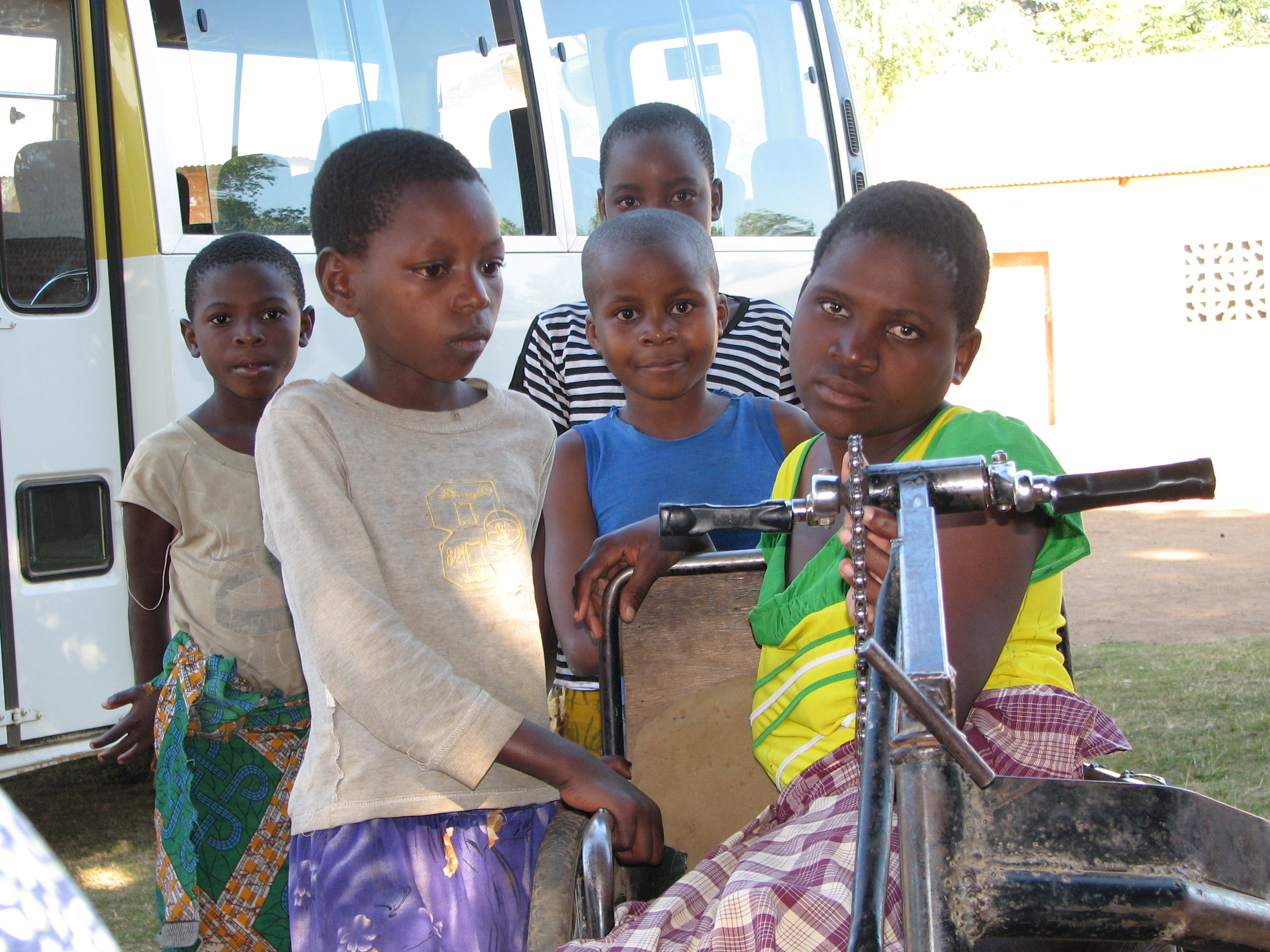
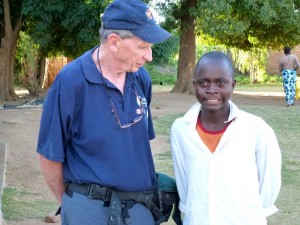
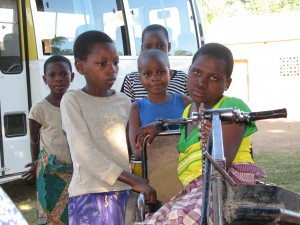
Afterwards a Rotary-sponsored student in Form I (equivalent to first year high school), Iwalani Joseph, who aspires to become a doctor, appeared for greetings, interviews, photos; then a community volunteer during 2010, Richard X had a reunion. And Felicia, “one of Malawi’s last polio victims” drove her hand-operated tricycle up for a service inspection, and the warm greetings. Though we did little physical activity, except riding on challenging roads, we were all tired out when we arrived home at Annie’s Lodge for dinner.
Continue reading