Fifth day since leaving Canada, second day on the job site.
 By David Creighton
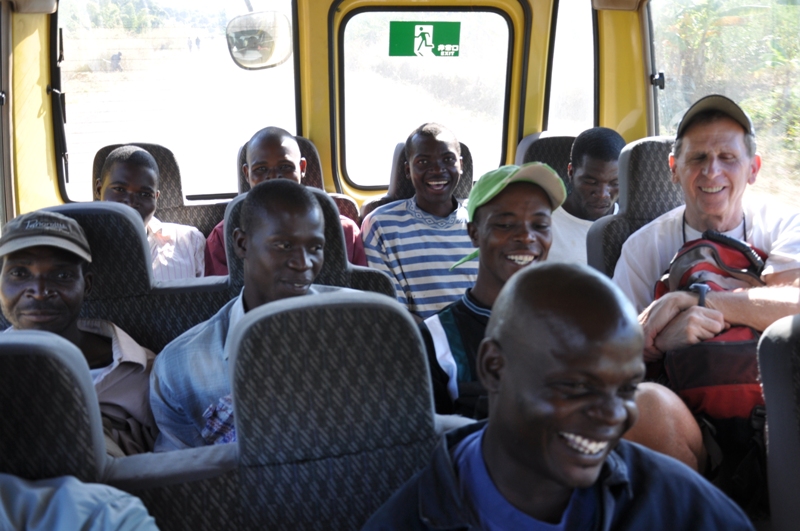
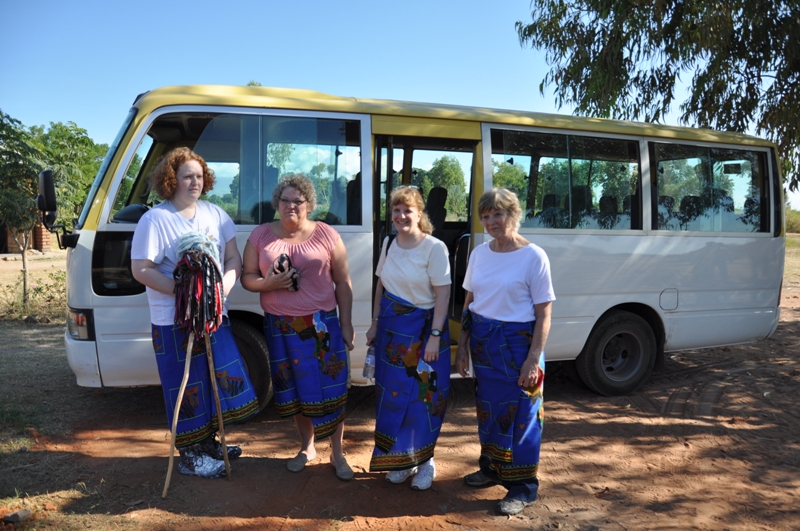
The sun rose swiftly on another perfect day. The biological clocks of the Canadians are beginning to acclimatize, getting used to the new environment, local foods (Kuche Kuche beer), and rhythms. After a sumptuous breakfast (monkey gleaned a banana from the buffet table), the women donned their obligatory chitangas (wraparound skirt, like an Indonesian sarong)—yesterday had been “informal dress” day—and we rode the 15 minutes in the EI bus to Mbidi School, picking up passengers along the way.
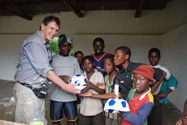
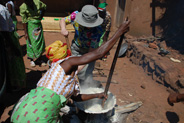
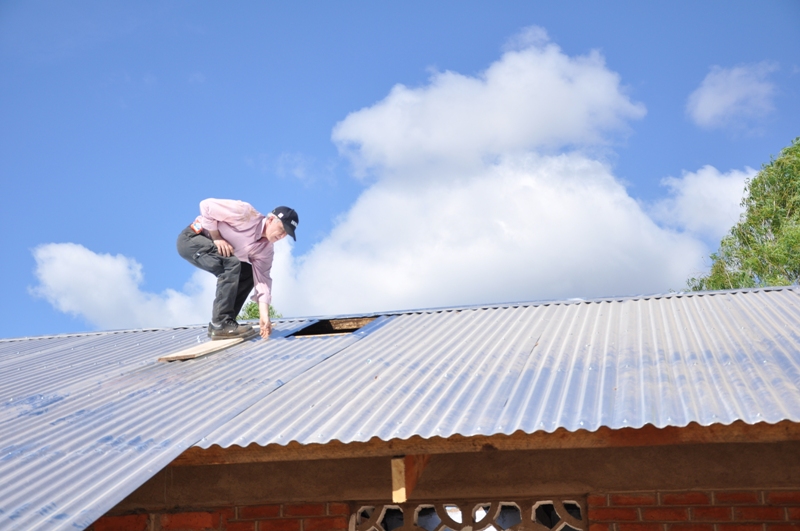
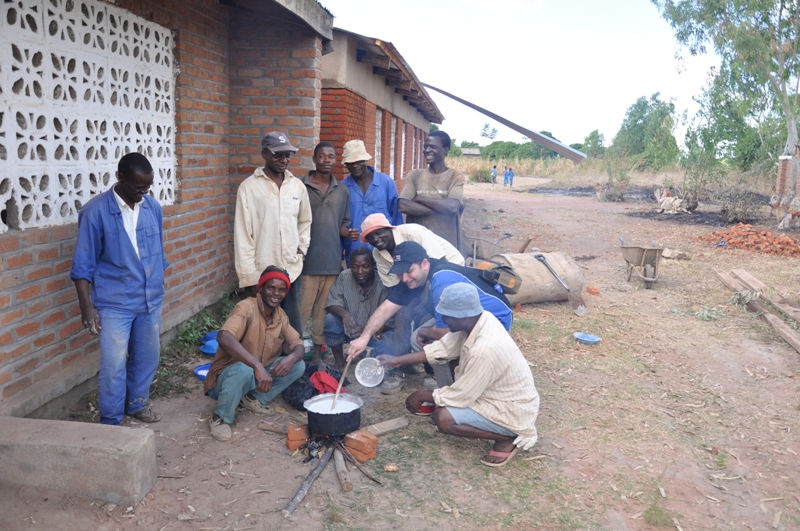
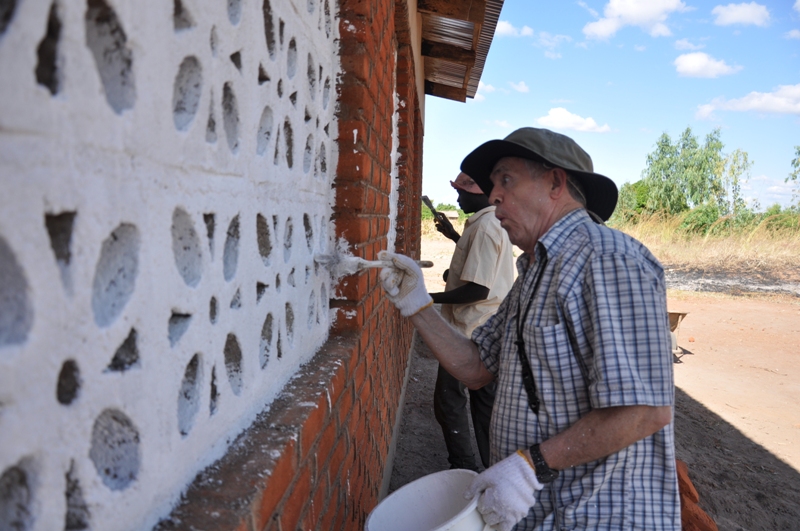
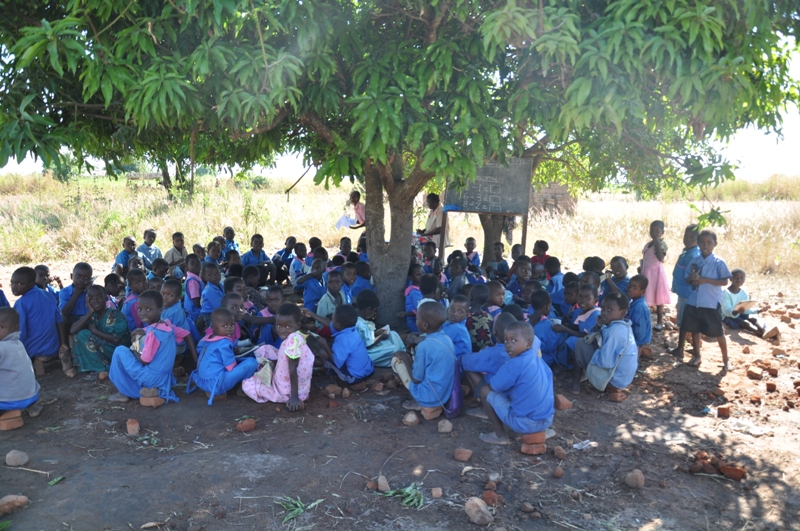
Lumber had arrived, the carpenters set to building desks, doors, etc, the painters returned to their second coats of white paint, assisted by several volunteers, including Ellen Mitochi, the Malawi Elementary Education Advisor, who had appeared in ceremonial robes/role the day before. Andrew removed several of the corrugated tin roof panels in preparation for translucent panels, to let in more light. Prince and Brian walked over to the teacher’s house nearby, where they helped with lunch preparations (stirring the nsima—thick maize-cassava dough, that they didn’t eat). The four Canadian teachers met with the senior grades teachers to discuss a pen-pal exchange and plan their lessons for Monday.
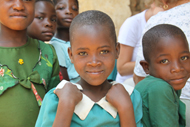
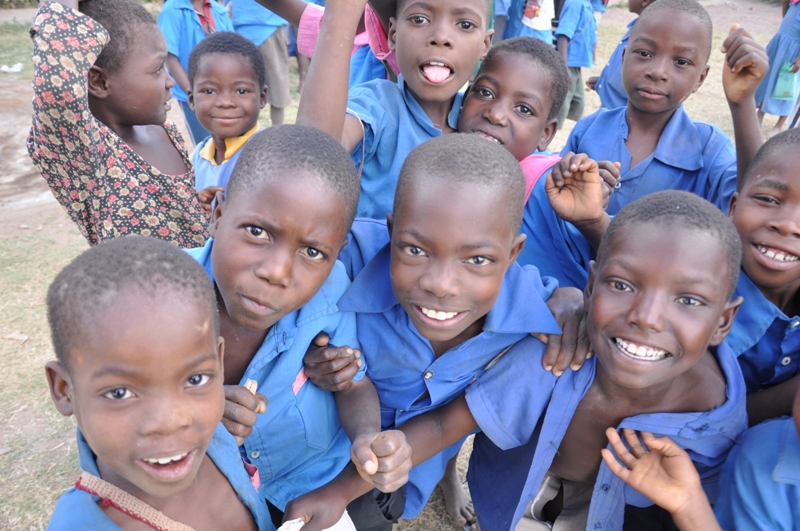
Lunch was an excellent goat stew, eggplant, the aforementioned nsima, rice, cabbage salad, bananas, tangerines; some Canadians also ate their imported ‘foods’. And thence the obligatory siesta during the midday heat, traditionally reserved only for “mad dogs and Englishmen.” After which the work resumed. In the afternoon a miniature cyclone swept by, twisting one of the tin roof panels and amusing the painters; who were afterwards joined by teacher Alfred Piringu, the “Almighty Flame of Africa,” who had enthralled us all with dramatic performances the day before. The local volunteers hummed and whistled hymns, junior students mobbed several of the volunteers who had ventured out with cameras, and a good day’s work was enjoyed by all.
In the late afternoon, Mr Harry Phiri, the District Commissioner (equivalent to a Lieutenant Governor in colonial times) presented a very frank appraisal of conditions in the Zomba District in particular, and Malawi in general (he left the District Development Plan with us. In exchange Chris presented him with a copy of the World Bank Report on Education in Malawi (“The World Bank is not an organization we love to deal with,” he confessed), which substantially supports the case made by Mrs Mitochi the previous day.) For example, until recently 40% of Malawi’s GDP depended on foreign donors—and its debt repayments amounted to 30% of GDP. These facts are compounded by lack of resources, lack of infrastructure, illiteracy, the HIV/AIDS epidemic, age distribution in the population, etc, etc. Although her five Teachers Colleges are graduating about 1,000 new teachers every year, the attrition rate due to the HIV/AIDS epidemic is almost as high, so there is not yet any real ‘progress’ in that area. Mr Phiri joined us for dinner and continued to answer difficult questions.
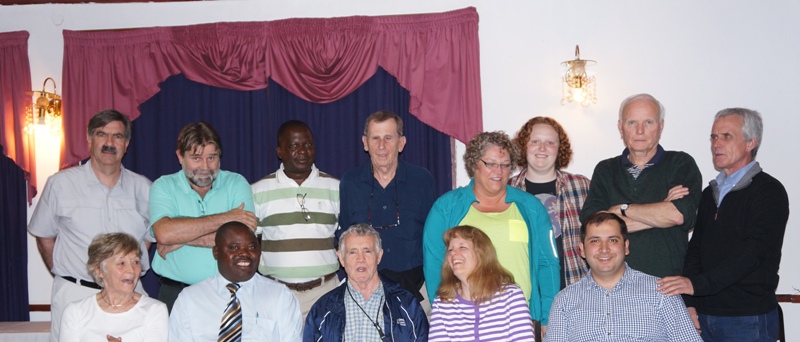
Afterwards we were joined by Liz Yarrow and Jonathan Watkins who reported on the research they are doing for UNICEF, on child abuse in Malawi, very interesting. And this spilled into a debate over Canada’s role in scuttling the Kyoto Accord on climate change. It appears there are many viewpoints, and much sophisticated knowledge of world affairs amongst the Canadian Malawi crew, only just beginning to be revealed …